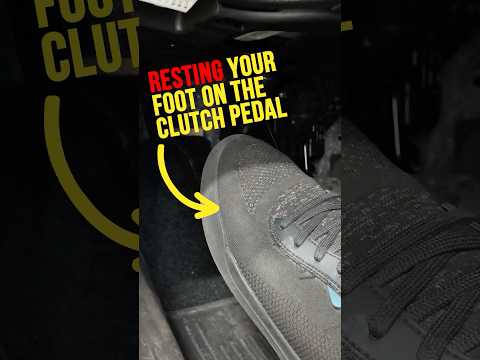
Don't Rest Your Foot On The Clutch Pedal! (Manual Transmission)

Engineering Explained
@engineeringexplainedAbout
How do cars work? It's a simple question, without a simple answer. That's what this channel is for! You could search the web endlessly for consumable information, or you can watch my simple to understand videos. I'm a graduated mechanical engineer with a passion for cars, and my goal is to help other people passionate about cars learn how they work. Hope you find my videos enjoyable; feel free to ask questions! New videos every Friday. Jason Fenske - Channel Owner - Engineering Explained
Latest Posts




Video Description
Resting your foot on the clutch pedal might seem fine if you’re new to manual transmissions, but it’s a terrible habit to start, for two reasons. First, even a light amount of pressure can release some of the pressure on the clutch disc, meaning you could cause a small amount of clutch slip. Any continuous clutch slip will eventually lead to wear. This is especially true if you’re flooring it, as you’ll want full clutch pressure to ensure the clutch doesn’t slip against the flywheel. But second, a light amount of pressure means you’re now engaging the throwout bearing against the diaphragm spring that releases the clutch. So by leaving a little pressure on the clutch pedal, you can wear out that throwout bearing. Since the clutch is located between the engine and transmission, replacing any worn parts is a lengthy, costly ordeal. So when it comes to resting your foot on the clutch pedal, just say no. Subscribe to Engineering Explained for more videos! - https://goo.gl/VZstk7 Recommended Books & Car Products - http://amzn.to/2BrekJm Engineering Explained is a participant in the Amazon Influencer Program. Don't forget to check out my other pages below! Instagram: http://www.instagram.com/engineeringexplained Facebook: http://www.facebook.com/engineeringexplained EE Extra: https://www.youtube.com/channel/UCsrY4q8xGPJQbQ8HPQZn6iA












Master Manual Transmissions
AI-recommended products based on this video

LEGO Speed Champions Ford Mustang Dark Horse Sports Car Toy, Buildable Ford Mustang Toy for Kids, Blue Toy Car Model Set, Gift Idea for Boys and Girls Aged 9 Years Old and Up, 76920
