Edward Ayers Interview: The Evolution of Abraham Lincoln's Thinking

About
No channel description available.


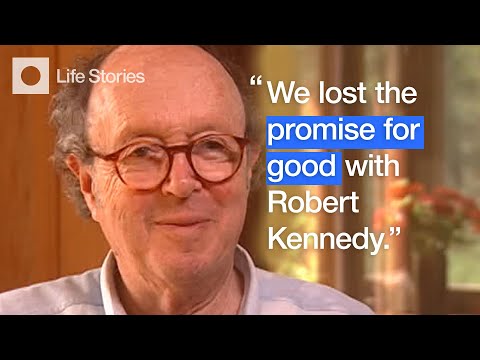
Video Description
Historian Edward Ayers discusses Abraham Lincoln’s unlikely presidential election win, why the Deep South seceded, and the shared interest of the Union and the enslaved. Ayers describes the evolution of Lincoln’s thinking on Emancipation over the course of the American Civil War. Edward Ayers is an American historian, professor, administrator, and university president. He received a BA in American studies from the University of Tennessee and a doctorate in American studies from Yale University. He taught at the University of Virginia from 1980-2007, where he taught history and was Dean of the College and Graduate School of Arts and Sciences. He was awarded the university’s highest honor, the Thomas Jefferson Award, in 2006. The following year he was elected president of the University of Richmond, serving until 2015 when he became the Tucker-Boatwright Professor of the Humanities. He has been recognized with the National Humanities Medal and served as the president of the Organization of American Historians. Ayers is the author of six books on the history of nineteenth-century America including The Promise of the New South: Life After Reconstruction (1992), which was a finalist for both the National Book Award and the Pulitzer Prize. In the Presence of Mine Enemies, Civil War in the Heart of America (2003) won the Bancroft Prize for distinguished writing in American history and the Beveridge Award for the best book in English on the history of the Americas since 1492. The Thin Light of Freedom: The Civil War and Emancipation in the Heart of America, was awarded the Lincoln Prize from the Gilder Lehrman Institute and the Avery O. Craven Award from the Organization of American Historians. The Apple TV+ series "Lincoln's Dilemma," features insights from journalists, educators and scholars, as well as rare archival materials, that offer a more nuanced look into the life of the Great Emancipator. Set against the background of the Civil War, "Lincoln's Dilemma" also gives voice to the narratives of enslaved people, shaping a more complete view of an America divided over issues including economy, race and humanity, and underscoring Lincoln's battle to save the country, no matter the cost. The series is narrated by award-winning actor Jeffrey Wright ("Angels in America") and features the voices of actor Bill Camp ("The Night Of") as Lincoln and Leslie Odom Jr. ("Hamilton") as Frederick Douglas. To view the entire series please visit: https://tv.apple.com/us/show/lincolns-dilemma/umc.cmc.7003fizrrxznfhz1s20vv7ewy Subscribe for access to interviews, series, films, and educational materials that address issues of social justice, history, politics, the arts, and culture by spotlighting relatable human stories of purpose and meaning. Learn about our work and how to support our mission here: https://www.lifestories.org/. For extended versions of these interviews and more, visit: https://www.youtube.com/@lifestoriesinterviewarchive Follow us on Instagram: https://www.instagram.com/lifestoriesinterviews/ Chapter Markers: 00:00 - Introduction 03:22 - Lincoln’s principles 06:52 - The South’s apprehension about Lincoln 09:27 - Secession 14:22 - Lincoln’s strategy with Virginia 18:22 - Lincoln was not an abolitionist 22:37 - Lincoln’s response to the eruption of violence 31:18 - Lincoln’s evolution on the institution of slavery and of enslaved people 37:46 - Lincoln’s interpretation of the Constitution 40:02 - General Butler’s “contraband” policy 43:35 - The shared interests of the Union and the enslaved 49:03 - Lincoln’s faith in democracy 56:00 - Enslaved people’s perception of the Civil War 57:07 - The role of Frederick Douglass 59:11 - Lincoln’s explanation and rationalization of the war as “God’s purpose” 1:02:37 - The evolution of Lincoln’s thinking on Emancipation 1:04:33 - The principal message of the Gettysburg Address 1:06:50 - The 1864 election 1:12:33 - Lincoln’s political calculus of the 13th Amendment 1:15:56 - The evolving legacy of Lincoln 1:18:31 - Historical perspective on Lincoln’s achievements 1:19:17 - Black Americans’ deeper understanding of freedom 1:21:56 - Reactions to Lincoln’s assassination Edward Ayers, Historian Interview Date: December 02, 2020 Interviewed by: Jackie Olive and Barak Goodman © Apple Video Programming, LLC. All Rights Reserved. #EdwardAyers #kunhardtfilmfoundation







Deck-Building Must-Haves
AI-recommended products based on this video

3-Person Heavy Duty Porch Swing with Tilt Canopy & Side Tables - Outdoor Steel Frame Swing Chair, Cushioned Seat for Patio, Backyard, Deck (Wine red)

Ucootifly Aerobic Exercise Step Adjustable Aerobic Stepper for Exercise Workout Step Platform for Step Up, 27" Step Deck with 4” 6” 8” Adjustable Height Risers, Women Home Gym Cardio Fitness

Sakerplus Electric Grill Cleaner, Saker Electric Grill Cleaner Bristle Free, 350 RPM Stainless Steel Roller, Cordless & Rechargeable, Dishwasher-Safe Head for Gas & Charcoal Grills (1pcs)

Chin Strap for Sleeping – Double Chin Support & Jawline Shaping Tape – Reusable V Line Band and Face Lift Tape for Women – Comfortable, Breathable – One Size Fits Most

Chin Strap for Sleeping – Double Chin Support & Jawline Shaping Tape – Reusable V Line Band and Face Lift Tape for Women – Comfortable, Breathable
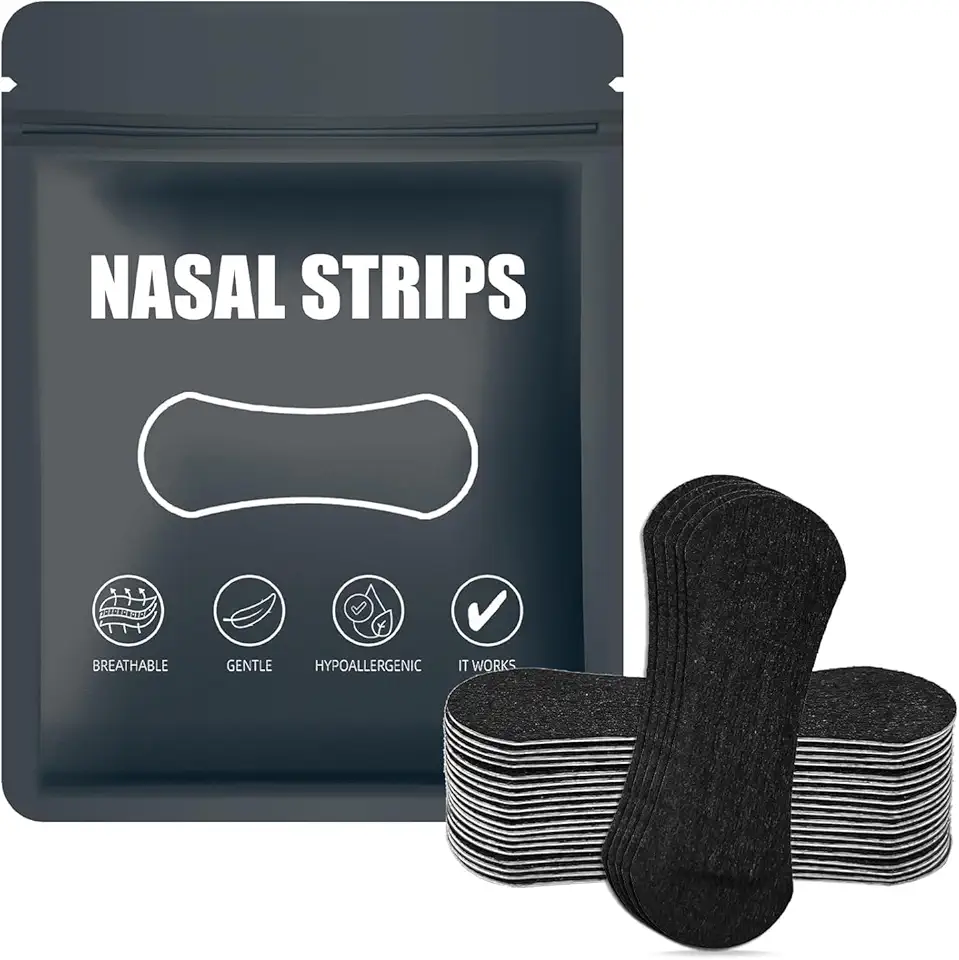
Nasal Strips for Snoring, Extra Strength Nose Strips Breathing, Nose Tape for Sports and Sleep, Anti Snoring Help Stop and Nasal Congestion Relief 30Pcs
Nasal Strips for Snoring, Extra Strength Nose Strips Breathing, Nose Tape for Sports and Sleep, Anti Snoring Help Stop and Nasal Congestion Relief 30Pcs Vol. 1 Black

2-in-1 Cordless Pole Saw 8 Inch&Mini Chainsaw, 2× 21V 4.0Ah Batteries, 15ft Max Reach, Electric Pole Chainsaw for Tree Trimming Branch Cutting, Brushless Motor, Extending Pole

Electric Pole Saw 6 Inch Cordless Chainsaw with Extendable Pole up to 16-Foot Max, 21V Battery Powered Pole Saw with 2 x 2000mAh Batteries, Great for Tree Trimming & Cutting & Pruning

BBQ Rib Skinner, Rib Prep Pro, Professional Boning Tongs Boning Knife Set for Perfect Ribs, Ergonomic Handle Precise Cutting, Ultimate Grilling Gift for BBQ Enthusiasts & Grill Masters

Miracle-Gro Seed Starting Potting Mix 8.8L, 2-Pack | Fast Root Development for Seeds & Cuttings | Feeds Instantly for Quick Growth
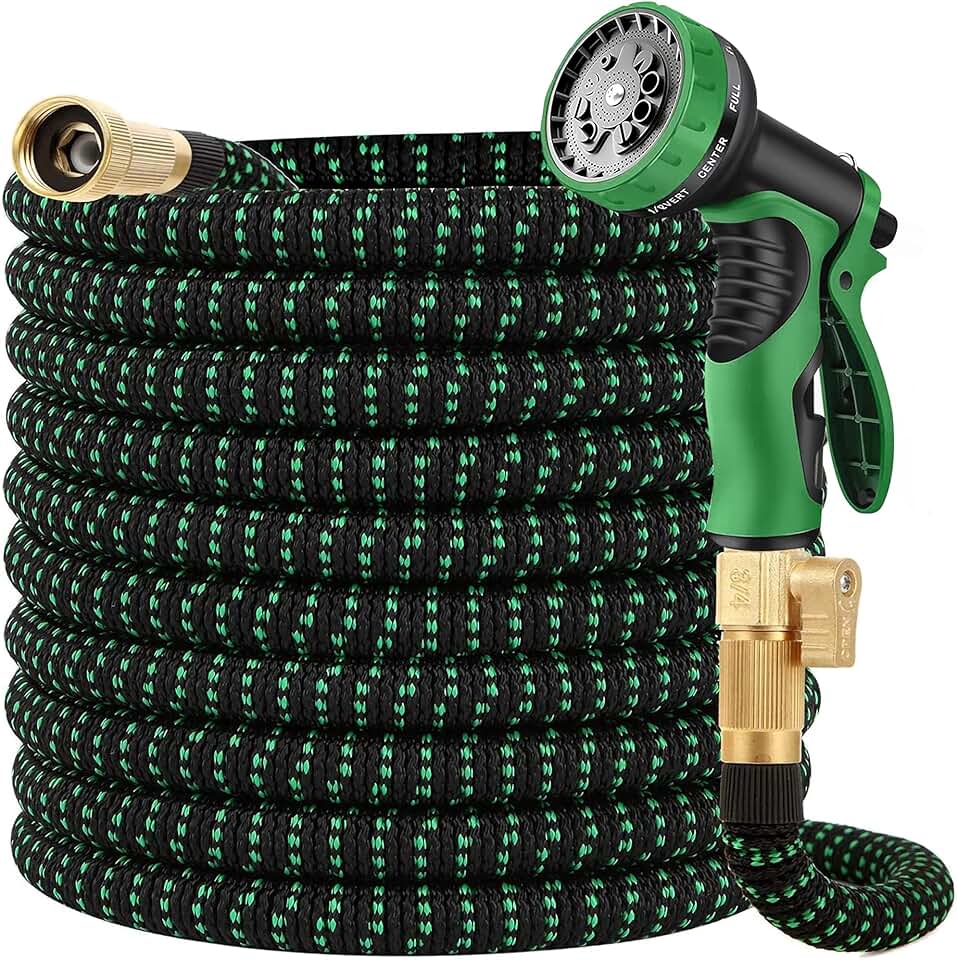
25 FT Garden Hose Expandable Hose - All New 2026 Flexible Water Hose with 10 Functions Spray Nozzle - Car Wash Hose with Solid Brass Connector, Leakproof Lightweight Expanding Pipe for Yard,Outdoor

75 FT Garden Hose – 2026 Upgarded Expandable Garden Hose w/10 Pattern Spray Nozzle, 650psi Brass 3/4” Fittings – Lightweight, Durable, Kink-Free, Retractable Water Hoses for Gardening(Blue Black)
50 FT Garden Hose – 2026 Upgarded Expandable Garden Hose w/10 Pattern Spray Nozzle, 650psi Brass 3/4” Fittings – Lightweight, Durable, Kink-Free, Retractable Water Hoses for Gardening(Blue Black)
100 FT Garden Hose Expandable Hose - All New 2026 Flexible Water Hose with 10 Functions Spray Nozzle - Car Wash Hose with Solid Brass Connector, Leakproof Lightweight Expanding Pipe for Yard,Outdoor
