Elvis (2022) and the Utter Mediocrity of Biopics

About
No channel description available.
Latest Posts
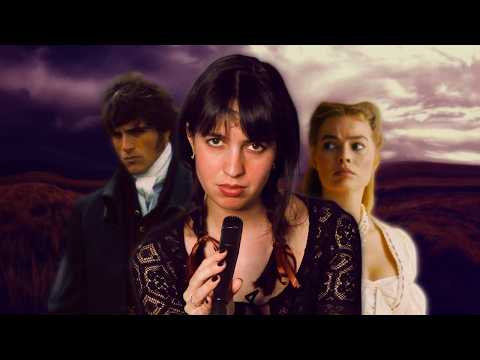


Video Description
Whether you’re upgrading your iPhone or not, head to casetify.com for their latest iPhone 14 Impact Case Series, as well as their cases for iPhone 13 or earlier devices! Go to http://casetify.com/broeydeschanel today to get 15% off your order! Follow Brooks and Carlo if you're interest in learning more about music history! Brooks: https://www.tiktok.com/@soulsugarjoint Carlo: https://www.instagram.com/mezza.cowbell Thumbnail by Hannah Raine: https://www.instagram.com/hannahmraine/ FOLLOW ME Patreon: https://www.patreon.com/broeydeschanel Instagram: https://www.instagram.com/broey_deschanel Twitter: https://twitter.com/DeschanelBroey SOURCES Amy Absher, The Black Musician and the White City, “From South to South Side: Musicians in 1940s Chicago”, University of Michigan Press. (2014). Dennis Bingham, Whose Lives Are They Anyway?: The Biopic as Contemporary Film Genre, Rutgers (2010). Peter Carlson, “When Elvis Met Nixon”, Smithsonian Magazine (2010). George Frederick Custen, Bio/pics: How Hollywood Constructed Public History, Rutgers (1992). Yohana Desta, “Elvis: What Did Black Artists of the Era Really Think of Presley?”, Vanity Fair (2022). Erika Doss, Shrines and Pilgrimage in the Modern World: New Itineraries into the Sacred, Amsterdam University Press (2008). Lucy Fischer, “Marlene”: Modernity, Mortality, and the Biopic, Biography, Vol. 23, No. 1 (Winter 2000). Rosa Fisher, “Constructing Tin Pan Alley: From Minstrelsy to Mass Culture”. https://www.pearsonhighered.com/assets/samplechapter/0/2/0/5/0205940722.pdf Joel Gordon, “Film, Fame, and Public Memory: Egyptian Biopics from Mustafa Kamil to Nasser 56” International Journal of Middle East Studies Vol. 31, No. 1 (Feb., 1999). Chris Jancelewicz, “The ‘whitewashing’ of Black music: A dark chapter in rock history” Global News (2021). Mitchell K. Hall, The Emergence of Rock and Roll: Music and the Rise of American Youth Culture, Routledge (2014). Cheryl L. Keyes, “The Aesthetic Significance of African American Sound Culture and Its Impact on American Popular Music Style and Industry” The World of Music Vol. 45, No. 3, Cross-Cultural Aesthetics (2003). “B.B. King”, American Roots Music: Oral Histories, PBS. https://www.pbs.org/americanrootsmusic/pbs_arm_oralh_bbking.html Lehtisalo, Anneli, “As if Alive before Us: The Pleasures of Verisimilitude in Biographical Fiction Films”. New Readings 11 (2011). Eric Lott, “All the King’s Men: Elvis Impersonators and White Working-Class Masculinity”, Race and the Subject of Masculinities. Tessa Maclean, “Preserving Utopia: Musical Style in Baz Lurhmann’s The Great Gatsby”, Literature Film Quarterly, 2016. Parke Puterbaugh, “Little Richard: ‘I Am the Architect of Rock & Roll’ Rolling Stone (1990). Elsie Walker. “Pop Goes the Shakespeare: Baz Lurhmann’s William Shakespeare’s Romeo + Juliet.” Literature Film Quarterly 28:2 (2000). Rob Warden, “Elvis Volunteered to Inform for the FBI, 1970 Memo says”, Washington Post (1978).
You May Also Like











Elvis-Inspired Style Essentials
AI-recommended products based on this video
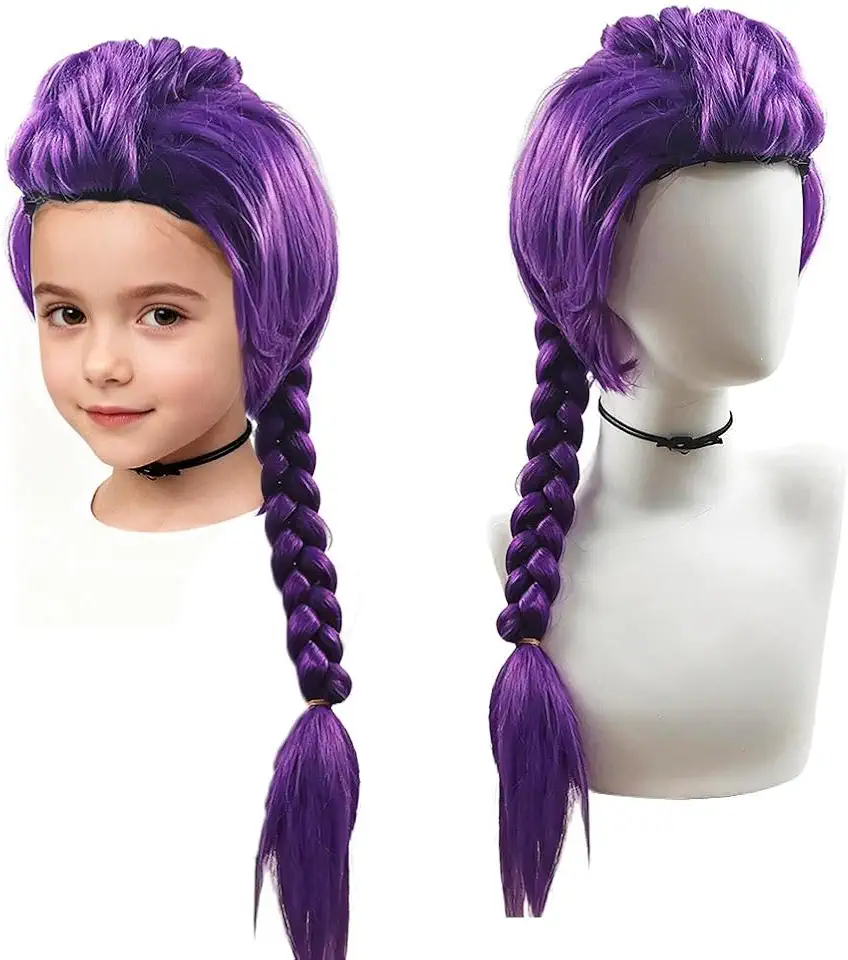
Cosplay Wig, Long Purple Braid Wigs for Kids Girls, Purple Braid Costume Cosplay Wigs, Halloween Costume Wig, Purpl-e Wig with Braided Daily Party, Halloween Accessories Props

Cosplay Wig, Long Rose Red Wig for Women Girls, Hot Pink Straight Cosplay Wig with Ponytails for Halloween Anime Costume Party

Graduation Gifts for Her Him, Custom Graduation Mug with Name, Class of 2026 Gifts Mastered It Coffee Mug, High School College Masters Degree Phd Graduate Gift, Personalized Grad Gift Coffee Cup

Personalized 2026 Graduation Gifts, Custom Graduation Mug With Initial Name, High School College Masters Degree Phd Graduations Gift,11 oz Graduations Cup, Class of 2026 Gifts, Monogram Coffee Mug

Painted Book Mug, 3D Hand Painted Books Stack Shaped Coffee Cups, Book Lovers Coffee Mug, 11oz Novelty Painting Books Cups Gift for Readers, Librarians, Writers & Book Clubs
