15 Forgotten Fruits Medieval Farmers Grew that Need to Come Back

Stellar Eureka
View ChannelAbout
As of June 2025, we aim to credit all creators featured across our videos. If any content has been misattributed, or you’d like it removed, contact us via the email below, we’ll respond in less than 24 hours. ✨ Welcome to Stellar Eureka ✨ Your go-to channel for uncovering the most fascinating and extraordinary aspects of our world. Dive into captivating content that explores everything from the world’s rarest fruits and most unique plants to nature’s deadliest trees and bizarre discoveries. Our videos are crafted to educate, entertain, and inspire, taking you on a journey through the rare, the remarkable, and the truly extraordinary. Whether you’re intrigued by hidden wonders of nature, curious about the most unusual records, or passionate about exploring the natural world’s marvels, Stellar Eureka has something for you. 🌐 Explore Our Content in Spanish: ▶ YouTube (ES): https://www.youtube.com/@StellarEurekaEspanol
Latest Posts


Video Description
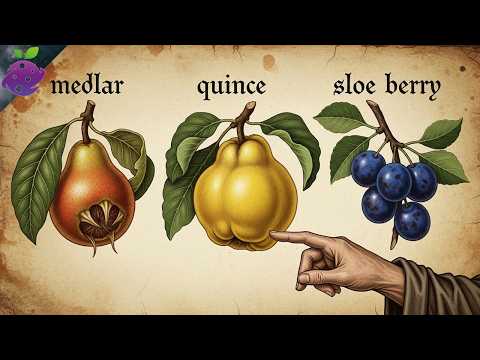
📜 Over 100 forgotten survival foods that once saved humanity—now rediscovered. Check out the guide: https://stellareureka.com/lostsuperfoods What if the fruits our ancestors cherished—fruits that once filled medieval orchards and fed empires, are exactly what modern agriculture is missing? In this deep dive into forgotten medieval fruits, we uncover 15 ancient fruits that once thrived in castle gardens and monastery groves. From the hardy medlar (Mespilus germanica) to the refreshing sorb apple (Sorbus domestica), these fruits were once prized for their resilience, nutrition, and flavor. Many of them have all but vanished from our diets—but they still grow wild or are quietly preserved by passionate growers. We’ll explore their historical uses, cultural importance, modern health benefits, and why these plants might just be the future of sustainable agriculture. Discover how medieval farmers cultivated jujube (Ziziphus jujuba), loquat (Eriobotrya japonica), and even the astringent yet essential sloe berry (Prunus spinosa). Many of these fruits are resilient, pest-resistant, and require minimal intervention, making them perfect candidates for climate-resilient farming. If you’re fascinated by heritage fruits, edible history, or forgotten crops, this video is for you. 📺 VIDEO TIMESTAMPS: 00:35 | Medlar (Mespilus germanica) 02:09 | Sorb Apple (Sorbus domestica) 03:51 | Wild Service Berry “Chequers” (Sorbus torminalis) 05:33 | Cornelian Cherry (Cornus mas) 07:22 | Barberry (Berberis vulgaris) 09:08 | Loquat (Eriobotrya japonica) 10:33 | Jujube (Ziziphus jujuba) 12:24 | Mulberry (Morus nigra / Morus alba) 14:14 | Saskatoon Berry (Amelanchier alnifolia) 15:37 | Rowan Berry (Sorbus aucuparia) 17:09 | Sloe Berry (Prunus spinosa) 19:08 | Hackberry (Celtis occidentalis) 20:39 | Crab Apple (Malus sylvestris) 22:31 | Quince (Cydonia oblonga) 24:07 | Bullace (Prunus domestica subsp. insititia) 🍎 Which one would you grow in your garden? Let us know in the comments! #ForgottenFruits #MedievalFarming #AncientPlants #EdibleHistory #HeirloomFruits



No Recommendations Found
No products were found for the selected channel.