From black holes to quantum computing - with Marika Taylor


The Royal Institution
@theroyalinstitutionAbout
Explosive short films, full length talks from the world’s leading scientists and writers, and videos to challenge the way you look at the world. The Royal Institution is a 200 year old independent charity creating opportunities for the public and scientists to explore science together, through events, education, and the CHRISTMAS LECTURES. Consider becoming a YouTube Member: https://www.youtube.com/channel/UCYeF244yNGuFefuFKqxIAXw/join Or support us by donating: https://www.rigb.org/join-and-support/donate-ri We're part of the Amazon Associates programme, if you click on geni.us links in our video descriptions we may earn a commission on purchases. This doesn't cost you anything and the proceeds go towards our charitable work. The Royal Institution of Great Britain is a registered charity, number: 227938.



Video Description
How can black holes help us understand the workings of a quantum computer? The Q&A for this talk is available exclusively for our members: https://youtu.be/vdZ4AIwvqTM Subscribe for regular science videos: http://bit.ly/RiSubscRibe Black holes are believed to be the most efficient quantum computers naturally existing in our universe. Standard computers do not have the capabilities to quickly solve some of the problems and unanswered questions facing researchers, but black holes may be able to provide insight into how quantum computers work and facilitate their development. In this talk, discover how a quantum computer makes use of the quantum states of subatomic particles to both store and process information and explore the long-standing question of what happens if you fall into a black hole, from a new quantum perspective. 00:00 Introduction to the talk 4:36 What is a black hole? 8.34 The Event Horizon 12:55 Evidence and detection of black holes 19:53 Approaching a black hole 22:17 The black hole in Interstellar 25:01 Modern imaging of black holes 27:22 Gravitational waves 38:04 Black holes and quantum theory 46:44 New quantum perspectives 49:04 Black holes as giant hard drives 51:24 Real quantum computers? 55:45 Quantum errors 57:38 Black holes and error correction 59:44 From black holes to quantum computing This lecture was recorded at the Ri on 8 September 2023. Professor Marika Taylor is a Professor of Theoretical Physics and Head of School within Mathematical Sciences at the University of Southampton. She is a member of the Centre for Geometry, Topology, and Applications, Southampton Theory Astrophysics and Gravity (STAG) Research Centre, Applied Mathematics and Theoretical Physics group and the String Theory and Holography group. Join this channel to get access to perks: https://www.youtube.com/channel/UCYeF244yNGuFefuFKqxIAXw/join The Ri is on Twitter: http://twitter.com/ri_science and Facebook: http://www.facebook.com/royalinstitution and TikTok: https://www.tiktok.com/@ri_science Donate to the RI and help us bring you more lectures: https://www.rigb.org/support-us/donate-ri Listen to the Ri podcast: https://podcasters.spotify.com/pod/show/ri-science-podcast Our editorial policy: https://www.rigb.org/editing-ri-talks-and-moderating-comments Subscribe for the latest science videos: http://bit.ly/RiNewsletter Product links on this page may be affiliate links which means it won't cost you any extra but we may earn a small commission if you decide to purchase through the link. #BlackHoles, #QuantumComputing, #MarikaTaylor, #PhysicsExplained, #QuantumPhysics















Galaxy's Edge Tech Essentials
AI-recommended products based on this video

FINISH® - QUANTUM ULTIMATE® Lemon 82 ct

MSI MPG 321URX QD-OLED, 32" 4K UHD Quantum Dot OLED Gaming Monitor, 3840 x 2160, 0.03ms, 240Hz, True Black HDR 400, 90W USB Type C, HDMI, DP Port

MSI MAG 321UPX QD-OLED, 32" 4K UHD Quantum Dot OLED Gaming Monitor, 3840 x 2160, 0.03ms, 240Hz, True Black HDR 400, 15W USB Type C, HDMI, DP Port

Finish® Quantum Ultimate® Dishwasher Detergent Pods, No pre sinse needed, For Deep clean & sparkling shine, 82 Tabs

10.1 Inch Touch Portable Monitor IPS Screen 1366x768P 60Hz 400 Brightness 99% sRGB HDMI USB-C Monitors Switch for Xbox PS3/4/5 Laptop Compatible with Raspberry Pi, Mini Touch Screen
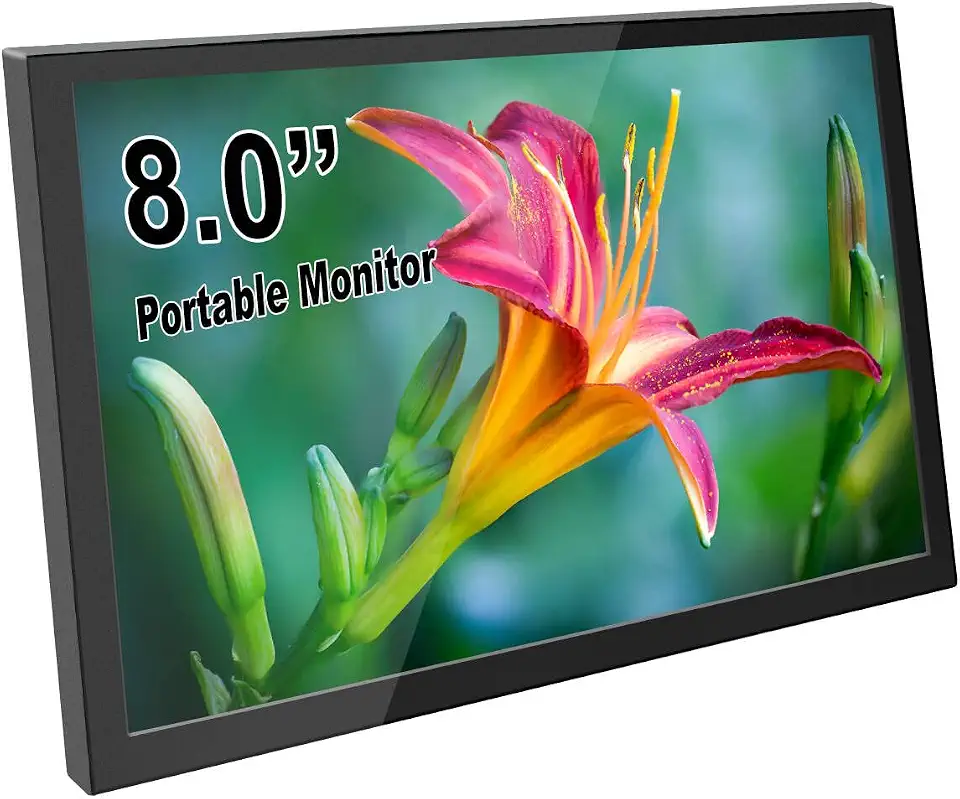
ELECROW 8 Inch Portable Monitor, 1280x800 Mini HD Display with Built-in Speakers, USB Powered, Non-Touch LCD Screen for Raspberry Pi, PC, Laptop, Jetson Nano, Game Consoles

7 Inch Portable Monitor Touchscreen HD 1024x600 LED Display Dual HDMI Port Small Monitor for PC Raspberry Pi Laptop Computer Xbox PS4/5 Switch Built-in Speakers

BrosTrend 1800Mbps WiFi 6 Linux WiFi Adapter for PC and Raspberry Pi 2+, Long Range USB WiFi Dongle Linux for Ubuntu, Mint, Debian, Kubuntu, Lubuntu, Zorin, Windows 11/10, Dual Band Wireless Antenna
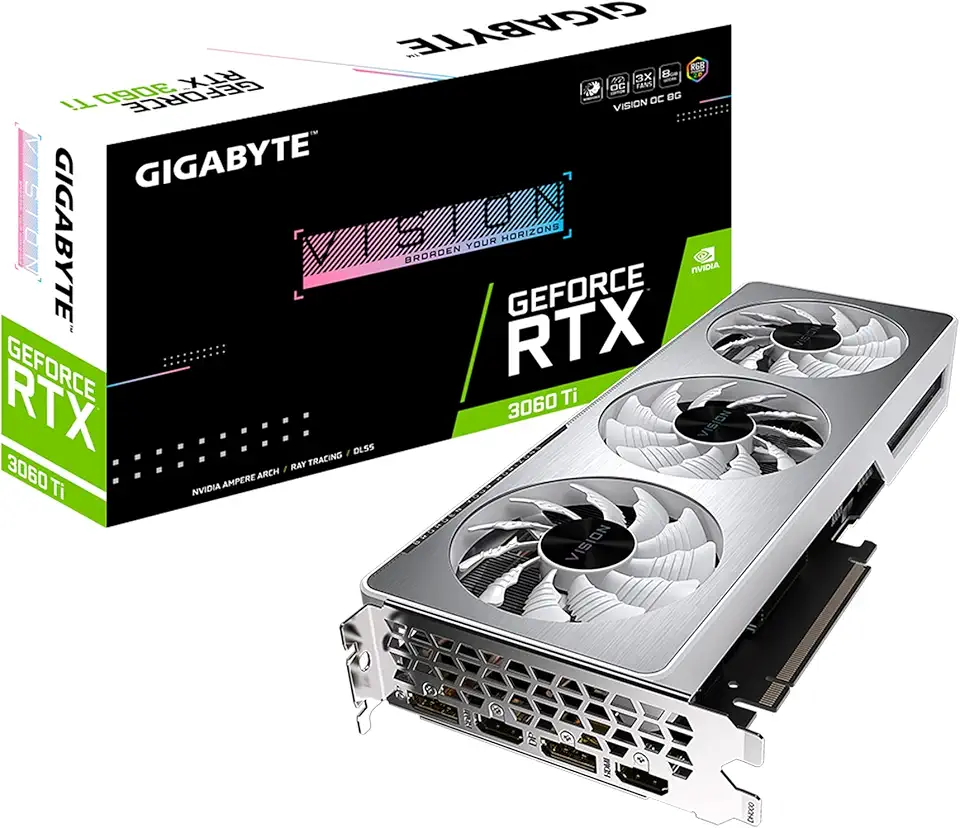
GIGABYTE GeForce RTX 3060 Ti Vision OC 8G Graphics Card, WINDFORCE 3X Cooling System, LHR, 8GB 256-bit GDDR6, GV-N306TVISION OC-8GD REV2.0 Video Card
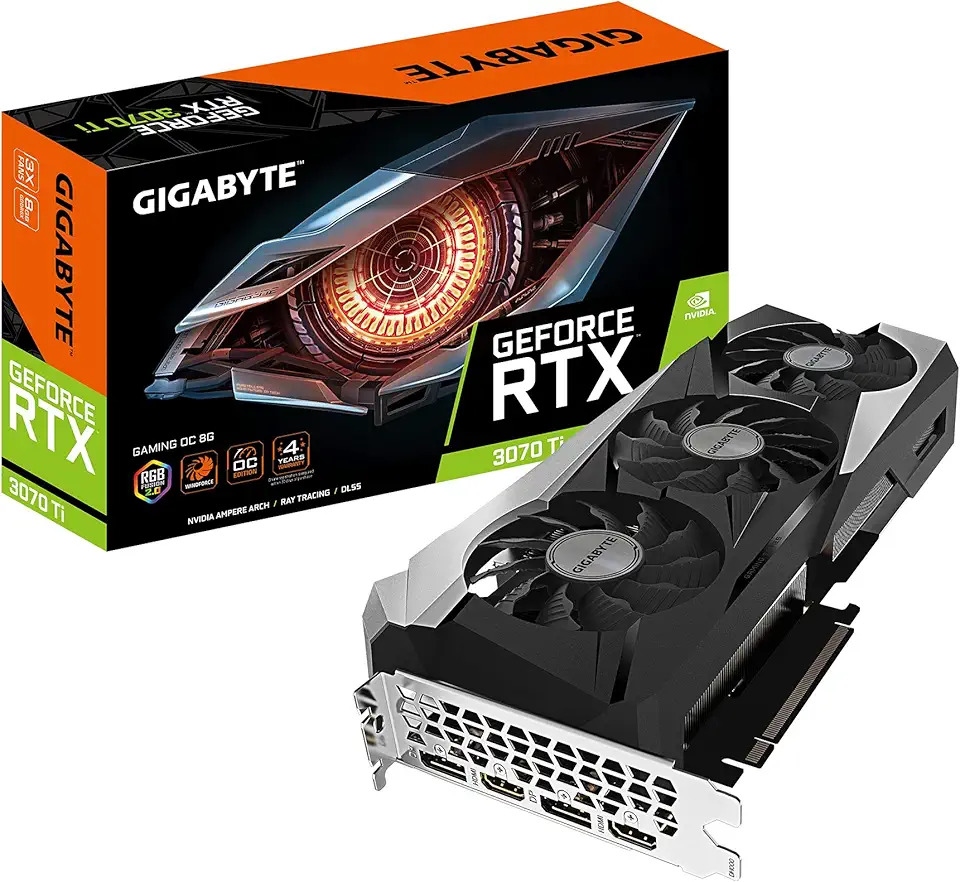
GIGABYTE GeForce RTX 3070 Ti Gaming OC 8G Graphics Card, WINDFORCE 3X Cooling System, 8GB 256-bit GDDR6X, GV-N307TGAMING OC-8GD Video Card

GIGABYTE GeForce RTX 5060 AERO OC 8G Graphics Card, 8GB 128-bit GDDR7, PCIe 5.0, WINDFORCE Cooling System, GV-N5060AERO OC-8GD Video Card

GIGABYTE GeForce RTX 5060 WINDFORCE OC 8G Graphics Card, 8GB 128-bit GDDR7, PCIe 5.0, WINDFORCE Cooling System, GV-N5060WF2OC-8GD Video Card

Monopa Boys Leather Reversible Belt - Brown and Black Belt for Kids Youth No Hole Uniform Casual Dress Belt

JDR Harmonica C, Blues armonica Key of C 10 Hole 20 Tone with Case Mouth Organ Standard Diatonic for Kids Beginner Adults Professional Player Teacher Parents Students Black New Year Gift
Monopa Boys Leather Reversible Belt - Brown and Black Belt for Kids Youth No Hole Uniform Casual Dress Belt
JDR Harmonica C, Blues armonica Key of C 10 Hole 20 Tone with Case Mouth Organ Standard Diatonic for Kids Beginner Adults Professional Player Teacher Parents Students Black New Year Gift
MSI MPG 321URX QD-OLED, 32" 4K UHD Quantum Dot OLED Gaming Monitor, 3840 x 2160, 0.03ms, 240Hz, True Black HDR 400, 90W USB Type C, HDMI, DP Port