How Milk Washing Cocktails Works
About
No channel description available.
Latest Posts
Video Description
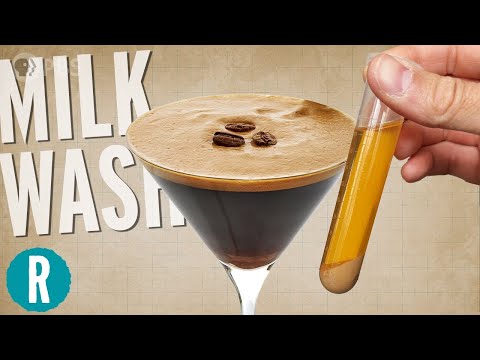
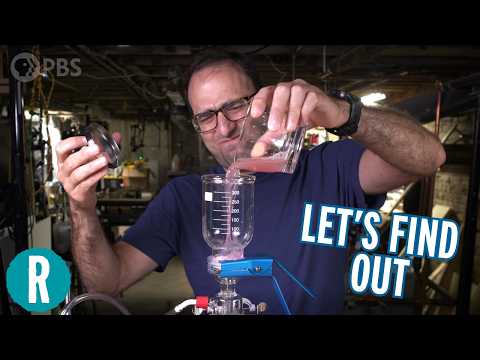
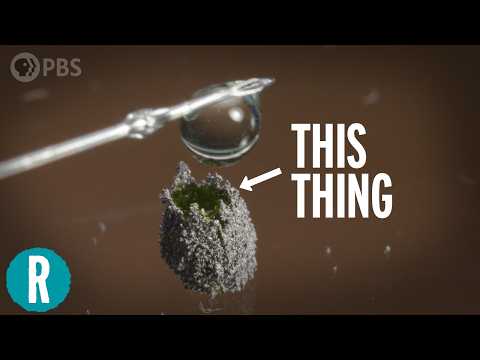
Why would you make a cocktail with ~curdled~ milk? Join George as he answers this question by accidentally making the best cocktail he’s ever tasted, thus achieving lasting Internet fame.* *We need your help with this last step. Correction: 4:03 I’m showing the phosphate groups getting protonated by the acid, but in reality there are some amino acid sidechains (which are not on my drawing) that would get protonated way before the phosphate groups would. The pKa of the first proton to leave on the phosphate group is roughly 2.2, so it actually wouldn’t be protonated at pH 4.6. However, other previously negative amino acid sidechains would get protonated, and the overall charge of the casein glob at the isoelectric point would be zero. #cocktails #milkwashing #breakthrough #moleculargastronomy #bartending #mixology #espressomartini You might also like other Reactions videos: How supercritical fluids give you decaf coffee: https://youtube.com/shorts/OAl_3dRu2jo?si=HAzWy6HlPST8Lc69 Some non-alcoholic spirits contain alcohol: https://youtube.com/shorts/0bPEZ6Cy5EQ?si=u1dYtw-GsoQ9syGc How Do They Make Maple Syrup? https://youtu.be/nSRCDiKMEJc?si=qEoz7xu4AfxGmP3L Did the Chemical Building Blocks of Life Form in Space? https://youtu.be/Jh_O5JP10aQ?si=E1fHXi1wJbf39wIT What Do Electrolytes Actually Do? https://youtu.be/xhLHtuZ3VOI?si=WD42LYRw-b3SQago How is Whiskey Made? A Deeper Dive Into Distilling: https://youtu.be/a1IruS1bKN8?si=cs6DVvk4VN2xzbpk Credits: Executive Producer: Matthew Radcliff Producers: Elaine Seward Andrew Sobey Darren Weaver Writer: George Zaidan Host: George Zaidan Scientific Consultants: Leila Duman, Ph.D. Brianne Raccor, Ph.D. Cori Running, Ph.D. Executive in Charge for PBS: Maribel Lopez Director of Programming for PBS: Gabrielle Ewing Assistant Director of Programming for PBS: John Campbell Reactions is a production of the American Chemical Society. © 2024 American Chemical Society. All rights reserved. Sources: https://docs.google.com/document/d/1gOrurrBuDhT2h6jvFnDNkXHXaBqOgCtlTNF-NXlRjGI/edit?usp=sharing
You May Also Like
Mix Like a Pro
AI-recommended products based on this video

2025 New Screw-Top Lemon Squeezer,Fast Juicing, Portable Manual Citrus Juicer, Orange Extractor with Lid, Squeeze Lime for Cocktails, Drinks (yellow and green)

Liahelianx Mini Citrus Press - Handheld Lemon & Lime Juicer with Screw Top Lid, Compact Manual Juice Extractor for Cocktails, Drinks, Kitchen - Durable, Easy Clean, Portable Fruit Squeezer
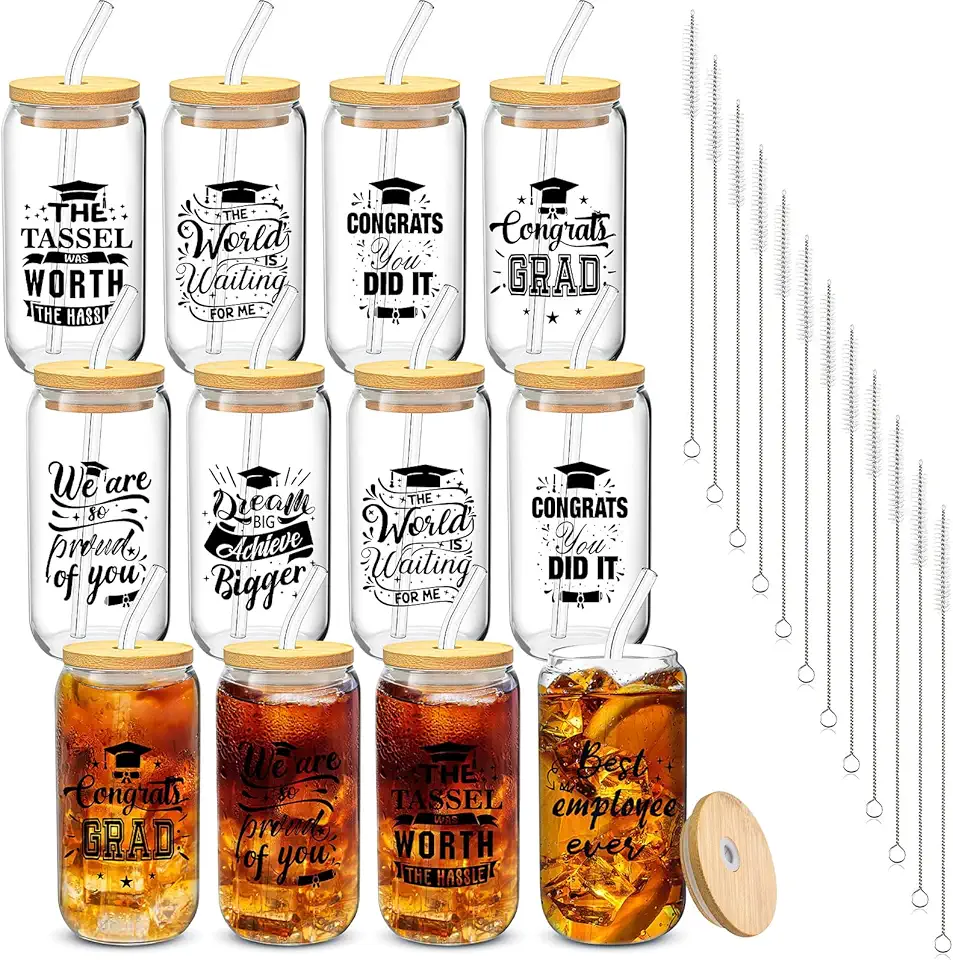
12 Set Graduation Gifts for Her Him Graduation Drinking Glass Cups The Tassel was Worth The Hassle 16 oz Glass Cup with Lid Straw for Women Men College High School Master Degree

1.5oz Golf Ball Shaped Shot Glass, Novelty Golf-Themed Shot Glasses with Leak-Proof Lid – 3-Pack Set for Golf Enthusiasts, Party Favors & Sports Gifts (2pc)

Ice Bucket- 23.5cm Portable Clear Ice Bucket Beverage Tub| Easy to Use Beverage Ice Tub| Clear Ice Bucket Champagne Bottle for Accessories, Family Gatherings, Cocktail Bar, Drinks and Fr
