How to Emotionally Connect with a Character | Writing Advice

About
No channel description available.
Latest Posts




Video Description
Are you struggling to emotionally connect to a character? Or maybe you don't like your character or don't understand them? In this video, I go over the signs and problems associated with not connecting to a character, explain what's really causing this problem, and some solutions, tips, and tricks you can try. SHOW NOTES Problems caused by a lack of connection to a character: 1. Their voice isn't distinct. It always sounds different or never sounds truly authentic to the character. 2. The character doesn't have anything to do in scenes or gets "lost" in scenes/conversations. 3. The character is unemotional, melodramatic, or expresses emotions arbitrarily or inconsistently. 4. You don't enjoy writing them. A common reason for a lack of connection is under development in a few key areas of characterization: 1. Their motivation - The emotional driving force behind their goal. This may be the desire to shift from one "state" to another: from powerless to powerful, from lonely to loved, etc. 2. Their false belief - Something the character believes about themselves, other people, or the world that is harmful. For example, "the only way to be powerful is to put yourself above others." This is what changes to create the character arc (if an arc is present in the story). 3. Their key traits - Positive traits built from the motivation and negative traits built from the false belief. These are tangible/identifiable traits that impact their actions and interactions with others. In other words, the outward manifestations of their motivation and false belief. Solutions to try: 1. Write out the motivation, false belief, and key traits. Start with the information you know and then brainstorm or extrapolate what you don't know. 2. Write out two key emotional scenes - the scene of backstory that created their false belief and the scene within the novel that has the highest level of emotion associated with the false belief or motivation. 3. Look at photographs that emotionally resonate with you to help establish a connection to the character, then redo the previous two exercises. 4. Make the character more similar to you by giving them a false belief or motivation that you find easier to relate to.
You May Also Like





Instant Crafting Joy
AI-recommended products based on this video

NESTLE Assorted Hide Me Eggs, Miniature Egg-Shaped KITKAT, SMARTIES, COFFEE CRISP and AERO, Perfect For Egg Hunts & Easter Baskets, Individually Wrapped, 300 g

Paint Sprayer Electric Spray Gun: 700W Spray Paint Gun with 1200ml Container, 4 Nozzles & 3 Patterns, Adjustable Air Flow, Easy Cleaning for House Painting, Furniture, Fence, Walls, Door (Royal Blue)

Purple Shamrock Bulbs Oxalis Bulbs Lucky Flowers Bulbs for Planting 2025 Purple Oxalis Triangularis Bulb 12pcs

Outsunny Raised Garden Bed Wood, Freestanding Planter Stand with 5 Planting Boxes and 4 Hooks, Good for Herbs, Flowers, or Vegetables in Patio Balcony Indoor Outdoor

Graduation Gift for Her 2025– 4" Ceramic Jewelry Tray Dish with Cap & Flowers– Class of 2025 Gift for Daughter, Sister, Friend– High School, College or University Graduate Keepsake, Jewelry Dish Gift

6-Ft Raised Garden Bed - Vertical Garden Freestanding Elevated Planter with 4 Container Boxes - Good for Patio or Balcony Indoor and Outdoor - to Grow Vegetables Herbs Flowers (1-Pack/Espresso Brown)

LEGO Botanicals Chrysanthemum Building Set for Adults Ages 18+ - Artificial Flower for Dinner Table Centerpieces & Decoration - Gift for Graduation - 10368

LEGO Cherry Blossom Building Toy for Kids, Girls & Boys, Ages 8+ - Artificial Cherry Blossom Decor for Home & Display - Creative Gift Idea for Plant & Flower Lovers - 40725
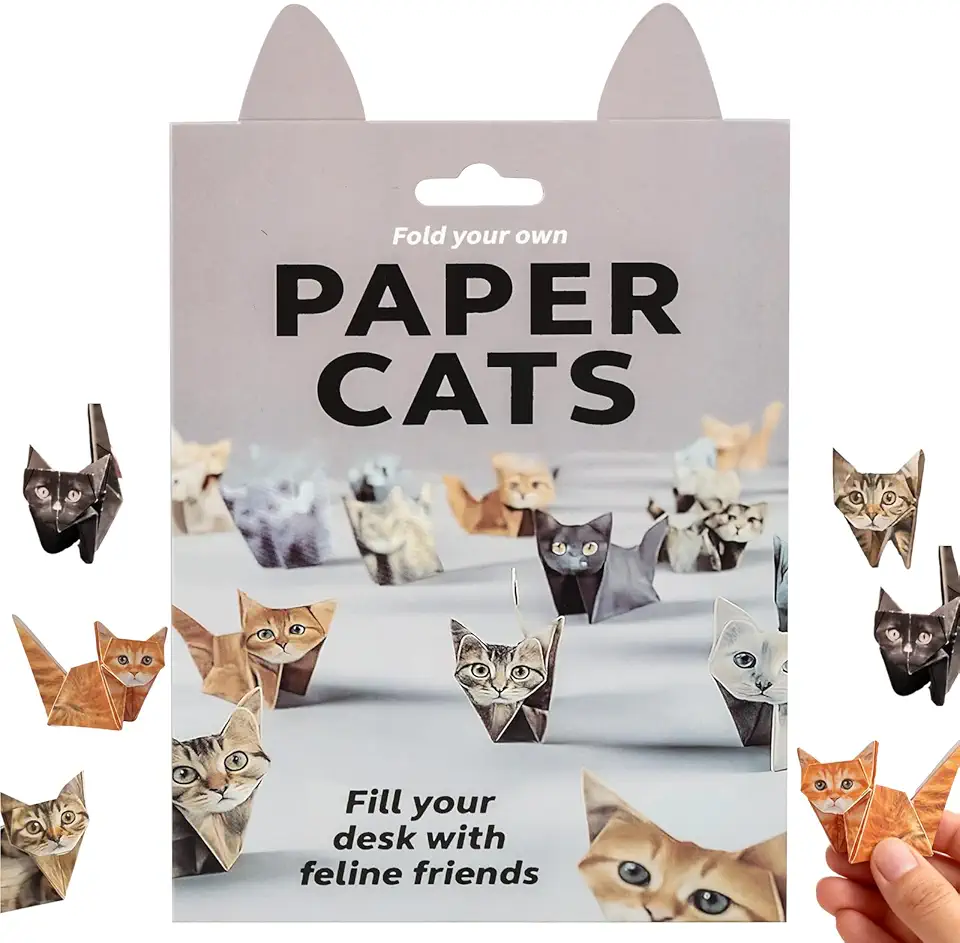
Paper Cats Origami Kit, 50pcs DIY 3D Origami Animal Kit for Create Adorable Paper Cats, Creative Craft Activity for Cat Lovers, Fun Home Desk Decor, Christmas Birthday Gift(Cat)
