I Regret Using This Clay...

Florian Gadsby
@floriangadsbyAbout
Florian Gadsby is a ceramicist working with stoneware and porcelain in North London — here you'll find videos that show process, how pottery is thrown and finished and finally glazed and kiln fired. The videos here show the processes behind his work, such as the throwing and trimming of tableware and more sculptural pieces. For more regular posts, including daily photographs and videos, make sure to follow over on my Instagram: (www.instagram.com/floriangadsby). I restock my online shop around 3/4 times a year, with about 300-400 pieces a time, if you'd like to receive a newsletter about when these go live you can sign up to my newsletter on my website, (https://www.floriangadsby.com/newsletter). I also leave the shop page online, even though it appears as sold out, it usually sells out in a few minutes time, just to give you an idea of what's available and the price range, (https://www.floriangadsby.com/shop). If there's anything else you'd like to know, please do get in touch!
Latest Posts



Video Description
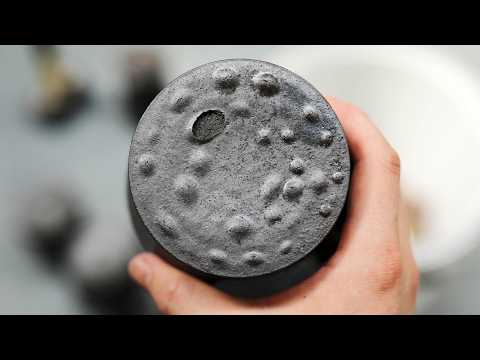
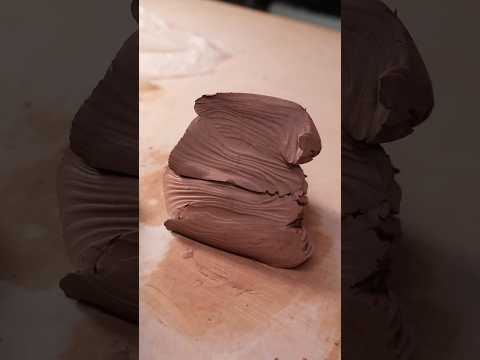
It's time for the conclusion of the recent test I did with this new black stoneware clay body, (PF 680) — https://valentineclays.co.uk/product/pf-680-smooth-black/ — (use with caution). This video goes through the entire process, from throwing the objects, small tea caddies, jars, in this instance, trimming them, bisque firing them, waxing them, glazing them and finally reduction firing the vessels to 1290ºc, (cone ten). It's a long process with questionable results... in fact, it all ended in disaster. It happens from time to time, although I think the reasoning in this instance was rather peculiar. I look forward to hearing your analysis of what might have occurred! Thanks for watching! 📖 • ORDER MY BOOK: https://geni.us/bymyhands HOW TO SPIRAL WEDGE: https://youtu.be/hYdLGLztT-Q HOW TO LIFT POTS OFF THE WHEEL: https://youtu.be/05CsVxlULo0 Wadding recipe: Mix 50% kaolin, (I use EPK), with 50% coarse alumina hydrate, (you can use fine alumina hydrate, but it won't work quite so well). Dry mix the two materials with a wet towel over the container, your arm tucked through, this'll stop too much dust from entering the atmosphere. Then SLOWLY add water to the mix until it's a clay-like consistency. If you add too much, too quickly, the mixture can suddenly turn into a liquid, so be careful! It can then be wedged up and store it in an airtight bucket. 🏺 • You may also be interested in my 'A Beginner's Guide' series, which you can find here: https://www.youtube.com/playlist?list=PL2WJhtTF0eGhQwf8g2LHcom_KrvJpH_JT Timecodes: 0:00 - Introduction & the clay I'll be using 1:41 - Blending the two stoneware clays 4:27 - Throwing the tea caddies/store jars 11:49 - How I invert the callipers and throwing the lids 15:14 - Trimming the pots 22:28 - The trimmed jars 23:23 - Packing the electric kiln for a biscuit firing to 1000ºC 24:26 - Waxing the jars 26:07 - Glazing the jars 28:50 - Cleaning up the glazed surface 31:56 - Positioning the waddings on the underside of the lids 33:10 - Loading my Rohde KG-340 gas kiln 34:00 - Reduction firing to cone ten, (1290ºC) 35:50 - Unpacking the kiln and the results... • Find out much more via the link below! https://linktr.ee/floriangadsby • Get in touch here: https://www.floriangadsby.com/contact Sign up to my newsletter here: https://www.floriangadsby.com/newsletter










Upgrade Your Clay Game Now
AI-recommended products based on this video

Hbnlai 5300 Pcs Clay Beads Bracelet Making Kit, Flat Preppy Beads for Friendship Jewelry Making, Polymer Heishi with Charms Gifts for Teen Girls Crafts for Girls Ages 8-12
Hbnlai 5300 Pcs Clay Beads Bracelet Making Kit, Flat Preppy Beads for Friendship Jewelry Making, Polymer Heishi with Charms Gifts for Teen Girls Crafts for Girls Ages 8-12

NEXPOW Car Jump Starter,Car Battery Jump Starter Pack 1500A Peak Q10S for Up to 7.0L Gas and 5.5L Diesel Engine12V Auto Battery Booster,Jumper Cables,Portable Lithium Jump Box with LED Light/USB QC3.0

Firefly Variety 8 Pack - Fire Starter Accessory for Swiss Army Victorinox Knives (Neon Green-Yellow Glow)

9-in-1 5000A 150PSI Car Battery Booster Jump Starter with Air Compressor (All Gas/9L Diesel), Portable Car Battery Booster Pack, Safe Durable Car Jump Starter with Extended Jumper Cables, Glove, Light