Single Sideband (SSB): How does it do that? (036)


Electronics for the Inquisitive Experimenter
View ChannelAbout
This YouTube channel is intended for the "Inquisitive Experimenter" who is interested in Electronics. What do I mean by that? This is the person who want to dig a little deeper, who wants to understand what goes on behind the scenes, they 'WHY' behind things, but, at the same time, doesn't want to have to have a masters degree in engineering to understand. I try to answer questions and provide the hard to find information. I divide my videos up into two groups: The numbered videos (e.g. 001, 002 ...) are the more basic videos covering foundational stuff, but still at a somewhat deeper level than the average, mainstream contents you find on the Internet. When there is a series, a letter is appended to the number to keep them in order. The lettered videos (e.g. 00a, 00b, 00c) are the more 'advanced' videos with more technical content. In these I assume basic knowledge of stuff. If there is a series, I append a number after the letter to keep them in order.
Latest Posts

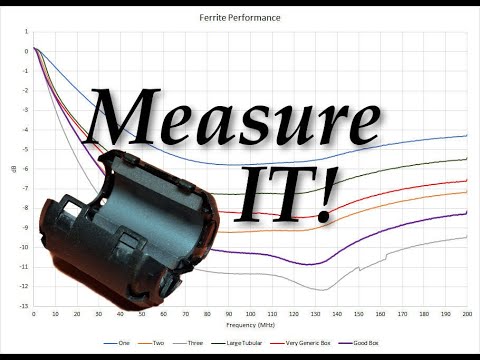


Video Description
Single Sideband (SSB) is the standard mode of voice communication for HF operation in Amateur Radio across the globe. It was used for Intercontinental Telephone communication long before it found its way into Amateur Radio (1923). In this video I will help you understand the How and Why of Single Sideband communication both on the Transmit side and the Receive side. I start with its foundation in the world of Amplitude Modulated Phone and how it evolved into modern Single Sideband. When you look at the spectral content of the AM and the DSB Suppressed Carrier signals, you will notice that there are multiple sideband pips at 1xModulating Frequency, Fm, 2xFm, 3xFm, etc. away from the carrier. It turns out that the pips at 2xFm and above are due to distortion of the audio, not the "ideal" signal. I discovered this through the mathematical investigation into the "ideal" AM signal which only contains the carrier, Fc, and one sideband pip at Fm away from the carrier on either side of the Fc, carrier. Furthermore, the real world mixer is not necessarily linear. This fact also adds to the additional sideband pips (and the F1 +/- (F2*n) reality). If you are interested in playing with this, I've provided the link to my GNU Octave file, below. I have provided a link to a very interesting video on the history of Single Sideband in the promised links, below. It is 47 minutes long, but contains a lot of cool information. The presenter is Ed Gable (no relation of mine). Promised Links: AM, LSB and USB Spectral Content Compared (IC-7610 experiment) Spreadsheet https://drive.google.com/file/d/1eNx9kYhcokmrtD3wYco1Z4nT0EYcaZDr/view?usp=sharing GNU Octave Simulation & Frequency Content of an Ideal AM Signal https://drive.google.com/file/d/1gKzNpNxZHEbXFszUnJihXwgevb5M-Aul/view?usp=sharing The History of Single Sideband (Antique Wireless Museum) https://www.youtube.com/watch?v=BBRntPJTr5Y Time Markers for Your Convenience ---------------------------- 00:05 Introductory Comments 01:10 Amplitude Modulation, S.S.B.'s foundation 01:29 Definition of Terms 01:38 Modulation 02:03 Carrier 02:49 What is Amplitude Modulation? 02:57 Amplitude 03:25 A.M. Demo-Introduction 03:59 Time Domain 04:37 Frequency Domain 05:48 Double Sideband, Suppressed Carrier: Introduction 06:56 Generating the Signal 09:27 DEMO: The Tour of the Hardware 10:14 Time Domain 10:50 Frequency Domain 11:44 Single Sideband: Introduction 12:19 A Little Amazing History 13:07 How do we generate the signal? 14:28 Receiving SSB: Introduction 15:07 How do we do that? 15:10 Carrier Injection 15:58 The Product Detector 17:07 Final Comments and Toodle-Oots -----------------------------
Upgrade Your Ham Radio Setup
AI-recommended products based on this video
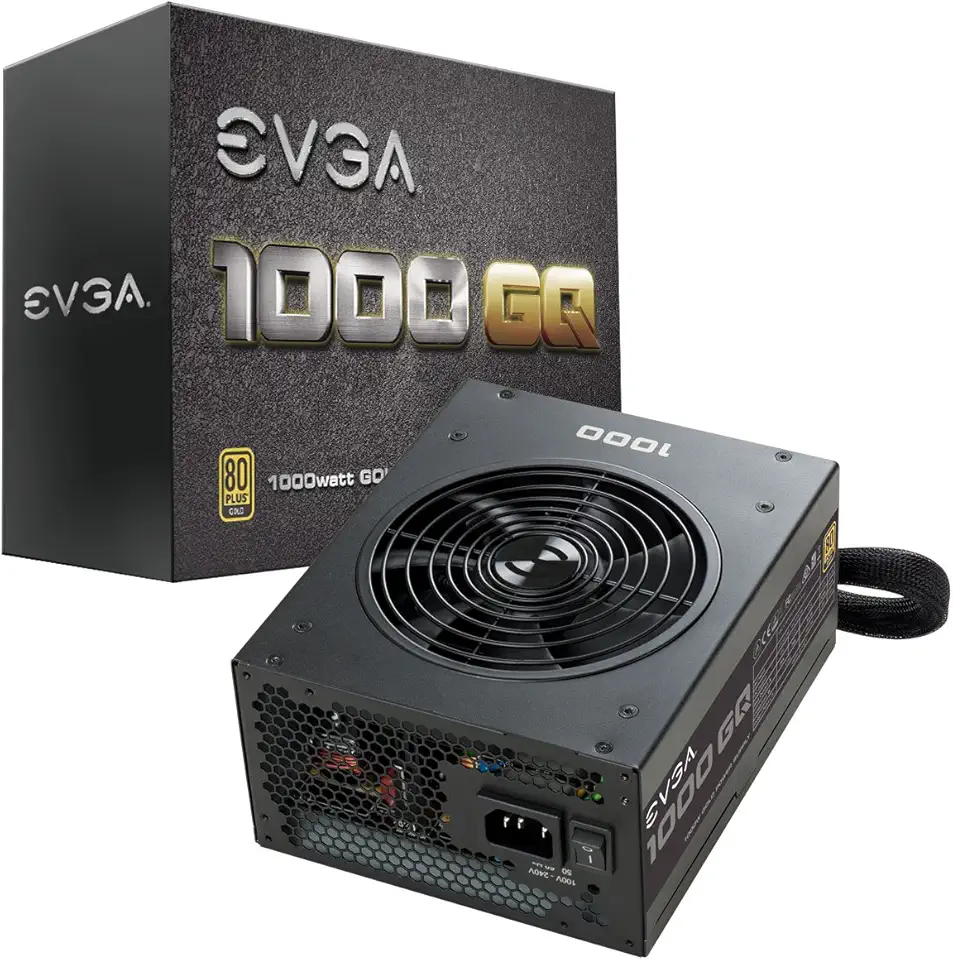
EVGA 1000 GQ, 80+ GOLD 1000W, Semi Modular, EVGA ECO Mode, 5 Year Warranty, Power Supply 210-GQ-1000-V1,Black
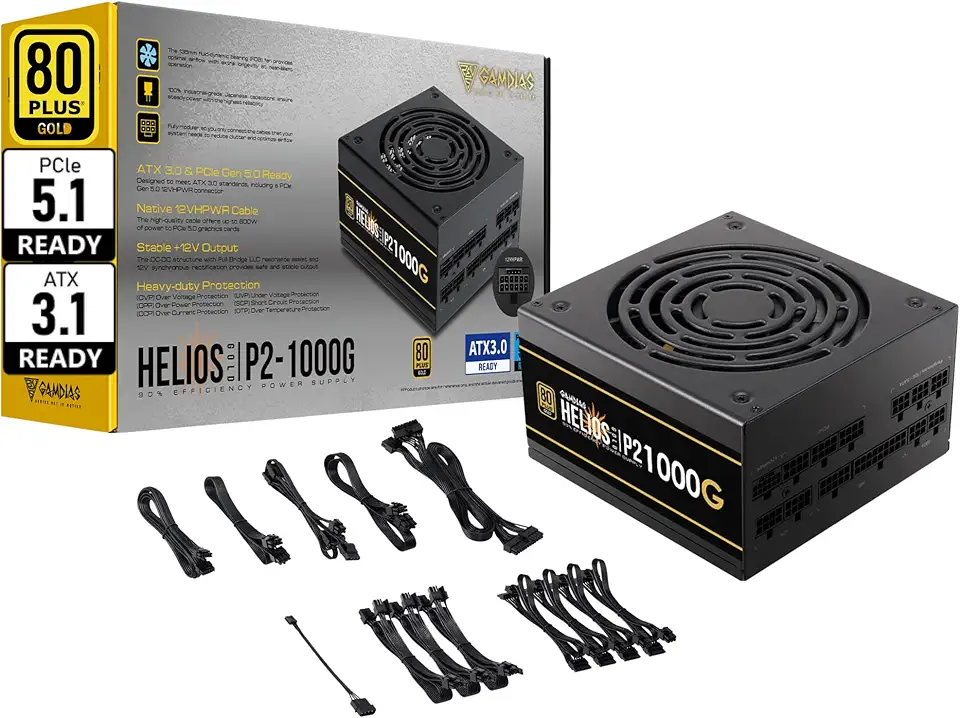
Gamdias PCIe 5.1 & ATX3.1 Gold 1000W Power Supply for GeForce RTX 5000 Series, 1000W Fully Modular ATX 80 Plus Gold Computer PSU for Gaming PC Desktops, Low-Noise Fan, Helios P2-1000G
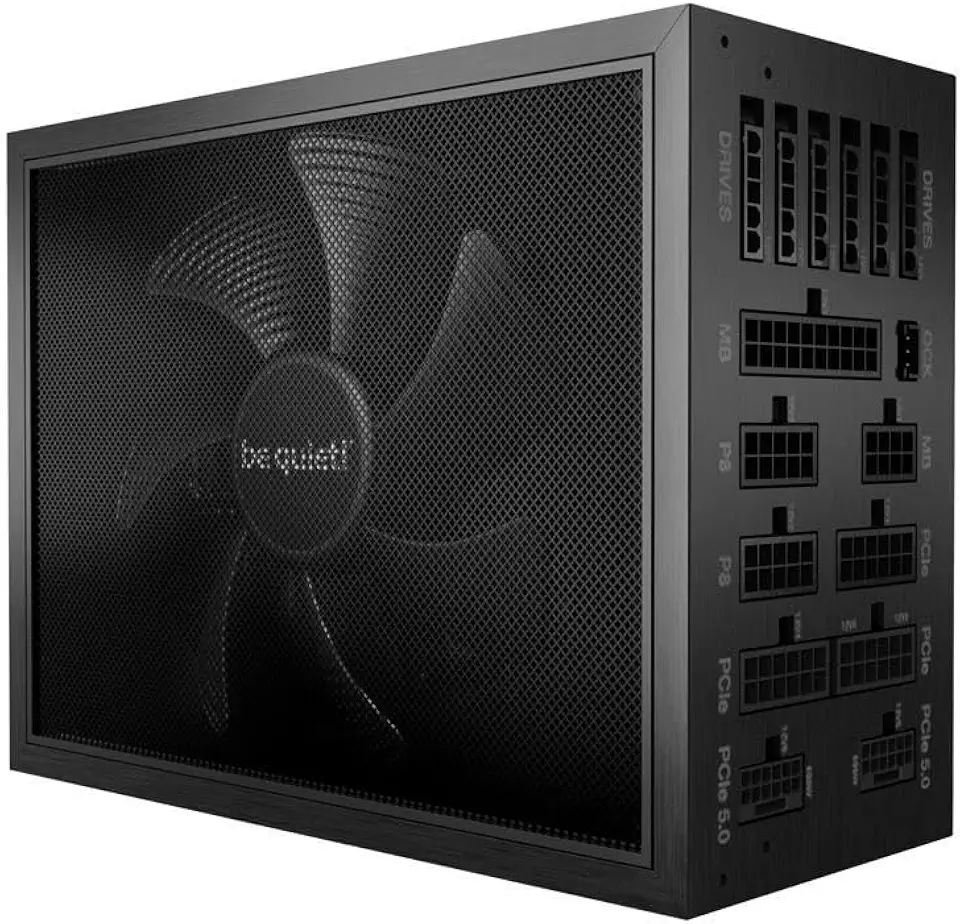
be quiet! Dark Power Pro 13 1300W Power Supply | ATX 3.1 Compliant | 80 Plus Titanium | Digital Regulation for PCIe 5.0 and PCIe 6+2 Graphics Cards, | 2X 12VHPWR Cable Included | BN500
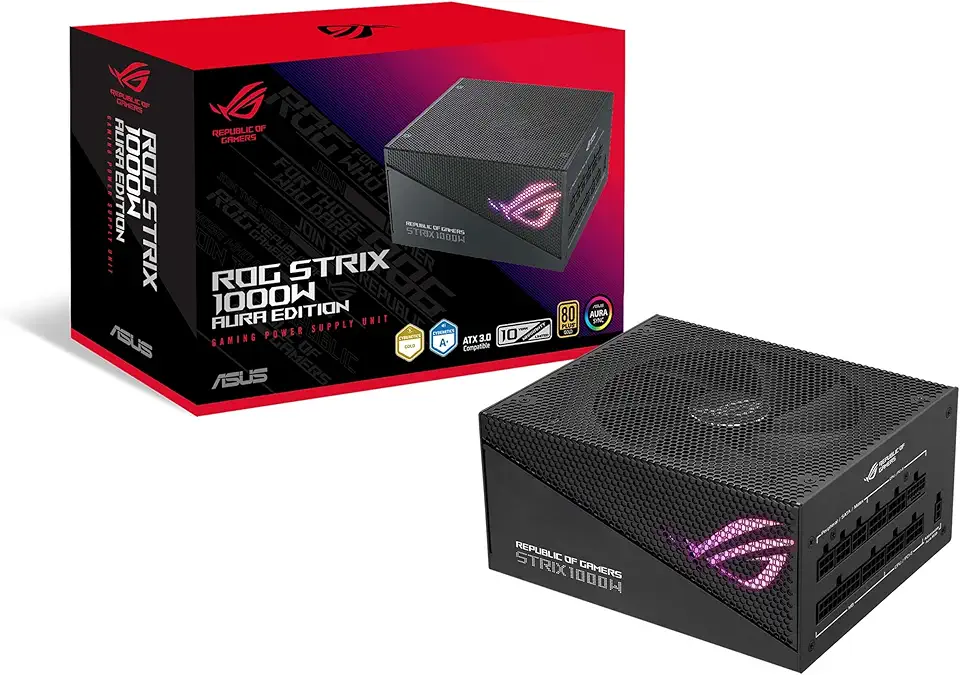
Asus ROG Strix 1000W Gold Aura Edition (Fully Modular Power Supply, 80+ Gold Certified, ATX 3.0, Cybenetics Lambda A+ Certification, PCIe Gen 5.0 Ready, Axial-tech Fan, Aura Sync, 10-Year Warranty)
