The Indo-European Dual | Mark Damen | TEDxUSU


TEDx Talks
@tedxAbout
TEDx is an international community that organizes TED-style events anywhere and everywhere -- celebrating locally-driven ideas and elevating them to a global stage. TEDx events are produced independently of TED conferences, each event curates speakers on their own, but based on TED's format and rules. For more information on using TED for commercial purposes (e.g. employee learning, in a film or online course), please submit a Media Request here: https://media-requests.ted.com.
Latest Posts


Video Description
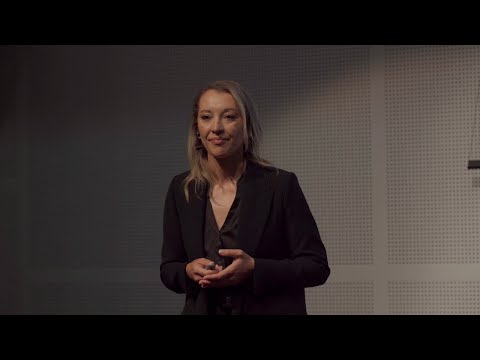
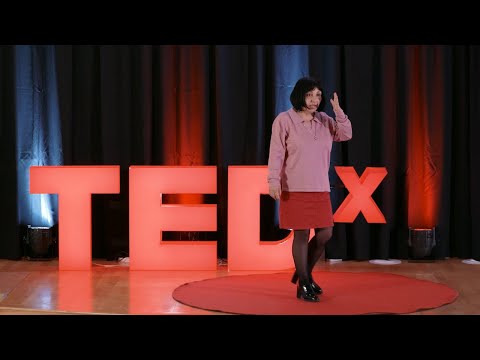
English, Greek, Farsi, Hindi, German, French and many other modern languages were once one language spoken by an ancient people we call “Indo-Europeans.” This language had a feature now lost in its daughter tongues, a dual number: “The two of us did it.” Dual forms explain features of English but, more important, unlock the door to understanding the pervasive influence of Indo-European culture today. Everyone who speaks one of these daughter languages is playing a role in the expansion of that culture which has become so dominant today it threatens to overwhelm and exterminate other ways of speaking and seeing the world. As we the descendants of that ancient Indo-European civilization “globalize” the planet and reach for the stars, we should reflect upon the devastations left behind by our success. Mark Damen has studied the ancient world since eighth grade when he took a Latin class and realized that English is best understood from the outside looking in. After all, how can you grasp the concept of color if you see only red? Likewise, the best way to know your own language is by comparing it to others, and the more remote, the wider the perspective. Thus began a love of all things old. Many years of acting and working in theatre naturally blended with that into a life of work on ancient drama. Mark’s research on classical Greek and Roman performance and playwriting has appeared in premier journals in the field of Classics, but teaching and passing on his passion for antiquity have always been equally important to him. In students, he believes, lies the future of the past. This talk was given at a TEDx event using the TED conference format but independently organized by a local community. Learn more at http://ted.com/tedx
Enhance Your Language Skills
AI-recommended products based on this video

Translation Earbuds Real Time - AI 144 Language Translator Earbuds, Audifonos Traductores Inglés Español, 3-in-1 Translating Device, Translate Ear Buds for Travel Learning with Charging Cradle
Translation Earbuds Real Time - AI 144 Language Translator Earbuds, Audifonos Traductores Inglés Español, 3-in-1 Translating Device, Translate Ear Buds for Travel Learning with Charging Cradle