The Rise of Experimental Music in the 1960s documentary (2005)

Manufacturing Intellect
@manufacturingintellectAbout
The primary focus of Manufacturing Intellect is to rescue and preserve the greatest intellectual voices and bring them to you. I do this by assiduously searching for rare and unavailable video and audio; restoring video quality through denoising and deartifacting, upscaling, color correction, and careful sharpening; and meticulously repairing and conforming audio to the greatest listening quality. My quest to preserve rare content takes me to various public, private and university libraries, thrift stores, used video, music and book stores, and into databases and archives all over the net. Subscribe today!
Latest Posts



Video Description
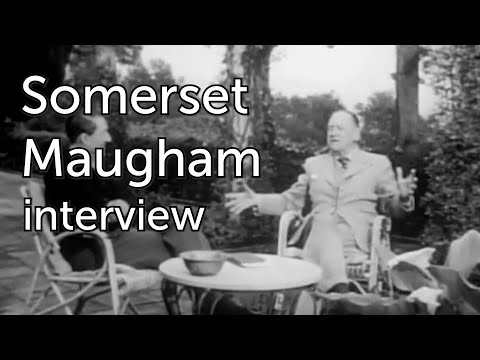
"Here's a Piano I Prepared Earlier" is a documentary film about experimental classical music in the 1960s. The program focuses on composers such as John Cage, Terry Riley, Steve Reich and Cornelius Cardew and their musical experiments and developments and how they influenced performers, audiences and composers from all backgrounds and genres. Join us on Patreon! https://www.patreon.com/ManufacturingIntellect Donate Crypto! https://commerce.coinbase.com/checkout/868d67d2-1628-44a8-b8dc-8f9616d62259 Share this video! It showed how John Cage prepared pianos, and what he found worked and didn’t, mainly due to the stability of the items added to the strings. Cardew’s work with ‘The Scratch Band’ was also interesting and some of the innovation’s they came up with. They also showed an orchestra of varying ability playing works from the established repertoire, but with notes played incorrectly and out of sequence, thus producing a barely recognizable reproduction of familiar works. Perhaps most interesting in the field of chance music was a waltz composed by the throw of dice based on a system proposed by Mozart, where numbers related to short motifs of music. They played the short piece at the end, thus creating a work of chance in part created by one of the most brilliant musical minds that ever lived, nearly 200 years before indeterminacy.








![Slavoj Zizek debates Jordan Peterson [HD, Clean Audio, Full]](https://imgz.pc97.com/?width=500&fit=cover&image=https://i.ytimg.com/vi/qsHJ3LvUWTs/hqdefault.jpg)


Revive '60s Music Essentials
AI-recommended products based on this video

Wireless Open Ear Bluetooth V6.1 Earbuds with Earhooks, HiFi Stereo ENC Earphones with Microphone, Ecouteur Sans Fil Bluetooth IP7 Waterproof, Fit for Sport, Workout and Business Global Recycled Standard

USB C Headphones for iPhone 17/16/16e/15 Pro Max/Plus, Type C Earbuds Wired Earphones (Microphone & Remote Control) Noise Cancelling for lPad Pro, Galaxy S23/S22/S21/S20
![2 Pack Apple Earbuds iPhone Headphones Wired Lightning Earphones [Apple MFi Certified] (Built-in Microphone & Volume Control) Noise Isolating with iPhone 14/13/12/11/XR/XS/7/821551-8 Interlocking Case](https://m.media-amazon.com/images/I/51UTScjzmCL._AC_UL960_FMwebp_QL65_.jpg)
2 Pack Apple Earbuds iPhone Headphones Wired Lightning Earphones [Apple MFi Certified] (Built-in Microphone & Volume Control) Noise Isolating with iPhone 14/13/12/11/XR/XS/7/821551-8 Interlocking Case

USB C Headphones for iPhone 17/16/16e/15 Pro Max/Plus, Type C Earbuds Wired Earphones (Microphone & Remote Control) Noise Cancelling for lPad Pro, Galaxy S23/S22/S21/S20/Ultra Note10/20, Pixel
