The Spark Plug Story

New Mind
@newmindAbout
For most of us, our average day is an experience unlike any other in human history. The world we interact with and engage with is a culmination of millennia of curiosity, probing and discovery. The story of how we got here, the layers of seeking and exploration; that are too often displaced as a triviality of life, is a massive part of the human story. New Mind is a celebration of that journey; the telling of slivers of that human story. Each composition is a careful telling of a slice of our technological world, exploring not just the “how it works” but the evolution of the why – the series of historical events that made it this way.
Latest Posts



Video Description
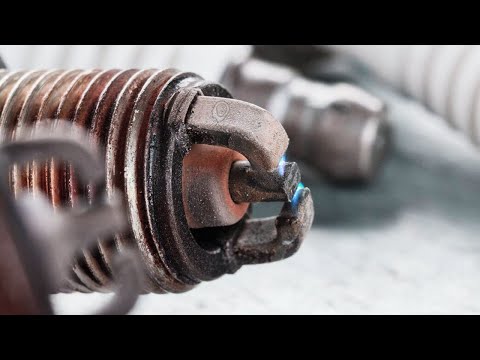
▶️ Visit https://brilliant.org/NewMind to get a 30-day free trial + 20% off your annual subscription The spark plug, a crucial component in gasoline internal combustion engines, has a rich history dating back to 1859 when Belgian engineer Jean Joseph Étienne Lenoir first used it in his coal gas and air engine. The design was refined by inventors like Nikola Tesla, Frederick Richard Simms, and Robert Bosch, with Bosch being the first to develop a commercially viable spark plug. Spark plugs ignite the air-fuel mixture in the engine's combustion chamber by creating a spark between two electrodes separated by an insulator. The spark ionizes the gases in the gap, causing a rapid surge of electron flow that ignites the mixture, creating a controlled combustion event. Early spark plugs used mineral insulators and had short lifespans. The introduction of sintered alumina in the 1930s improved insulation, strength, and thermal properties, allowing higher voltages and better self-cleaning capabilities. In the 1970s, lead-free gasoline and stricter emissions regulations prompted further redesigns, including the use of copper core electrodes to improve self-cleaning and prevent pre-ignition. Multiple ground electrode plugs and surface-discharging spark plugs were explored in the following decades. The 1990s saw the introduction of coil-on-plug ignition systems and noble metal high-temperature electrodes, enabling higher voltages, stronger sparks, and longer service life. Modern spark plugs also incorporate ionic-sensing technology, which allows the engine control unit to detect detonation, misfires, and optimize fuel trim and ignition timing for each cylinder. This level of control has pushed engine designs to be more efficient and powerful. As electric vehicles become more prevalent, the spark plug's evolution may soon reach its end, with electricity both pioneering the emergence and likely ushering in the end of the internal combustion engine. SUPPORT NEW MIND ON PATREON https://www.patreon.com/newmind













Essential Spark Plug Upgrades
AI-recommended products based on this video

TP-Link AV1000 Powerline Ethernet Adapter(TL-PA7017P KIT) - Gigabit Port, Plug and Play, Extra Power Socket for Additional Devices, Ideal for Smart TV

Wireless Hdmi Transmitter and Receiver, Wireless HD Extender Plug & Play Portable 2.4G/5G with LED Screen Wireless Hdmi Kit for Streaming Video and Audio to Monitor from Laptop/Pc/Tv Box/Projector
Febreze Bathroom, Odor-Fighting, Plug In Alternative, Air Fresheners for Home and Bathroom, Kitchen & Closet, Linen & Sky Scent, 4 Count

6 Packs Ultrasonic Pest Repeller, Electronic Pest Repellent Plug in Indoor for Insect Roaches Spider Ant Bug Mosquito Mouse Repellent for House Kitchen Garage Warehouse

2Pcs Car Oil Film Cleaner Glass Cleaner, Improve Windshield Clarity and Visibility for Safe Driving, Windshield Cleaner Tool for Automotive Windshield, Window, Mirror

Windshield Repair Kit - Nano Glass Repair Fluid for Chips & Cracks | Quick Fix, Works on for Chips and Cracks,Cracks Gone Glass Repair Kit, Automotive Windscreen Repair Tool Window Nano Repair 1-3
