The Start (And Near End) Of German Heavy Bombers In WW2: Junkers Ju 89

About
No channel description available.
Latest Posts


Video Description
In this video, we take a look at the Junkers Ju 89, a Heavy Bomber design for Pre-World War II Germany. We first talk about the positives and negatives of heavy, long-range, strategic bombers, from their sheer power to the massive resource investment they represent. We then talk about the early stages of Luftwaffe development, how very few men in the Luftwaffe wanted or cared about a heavy bomber, and how one man, Walther Wever, got the Ural Bomber project started, for a heavy bomber that could fly deep into the Soviet Union. We then talk about the two designs that came out of the Ural Bomber design request, in the Dornier Do 19 and the Ju 89. We talk about their relatively lackluster anticipated specs, and the disappointing results of their first flights. We then talk about the demise of Wever, and how that effectively spelled the end for the Ural Bomber project. We talk about his successor, his views on heavy bombers, the end of the Ural Bomber project, and we end by talking about how Wever and his successor eventually got a heavy bomber design in the Heinkel He 177.




Essential WW2 Aviation Books
AI-recommended products based on this video

5.0 Upgraded Magnifying Glass Hand Free【12X German Ultra-HD Lens】【Cloud Sponge Neck Protection】 3 Smart Mode Light, All-Purpose Magnifying for Reading, Cross Stitch, Craft Seniors Use (Black)

Motorcycle Helmet,Adult Handmade Personality Vintage Half Helmet DOT Approved, German Style Half Helmet Motorcycle Cruiser Scooter Cool Helmet for Men and Women
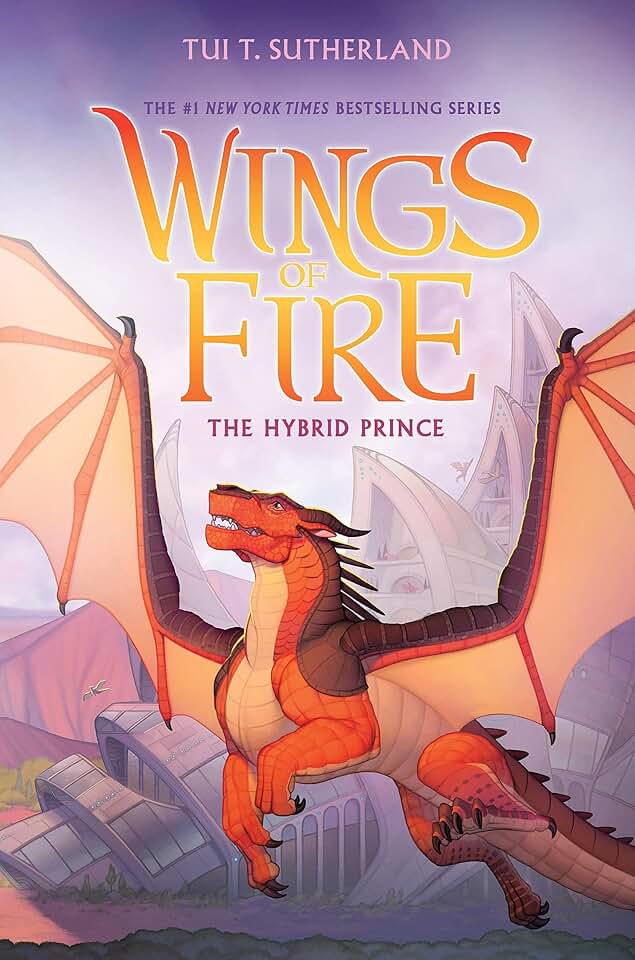
The Hybrid Prince (Wings of Fire, Book 16)

Dogs, Boys, and Other Things I’ve Cried About: A Memoir – A Tender Story of Fostering Rescue Pups and Finding Love in the Big City

Katabasis: A Fantastical Descent into Hell, Rivalry, and Redemption in the Pursuit of Academic Glory from Author of Yellowface—R. F. Kuang

99 Nights in The Forest Plush Toy, The Deer from 99 Nights in The Forest Stuffed Animal Plushies for Game Fans, Collectible Gift for Kids Boys Girls Adults COONEN

The Cruel Prince (The Folk of the Air Book 1)
5.0 Upgraded Magnifying Glass Hand Free【12X German Ultra-HD Lens】【Cloud Sponge Neck Protection】 3 Smart Mode Light, All-Purpose Magnifying for Reading, Cross Stitch, Craft Seniors Use (Black)
Motorcycle Helmet,Adult Handmade Personality Vintage Half Helmet DOT Approved, German Style Half Helmet Motorcycle Cruiser Scooter Cool Helmet for Men and Women

LEGO Speed Champions Oracle Red Bull Racing RB20 F1 Race Car Model Kits - Building Set for Adults, Ages 18+ with Realistic Features - Red Bull F1 DIY Crafts for Display - Gift Idea for F1 Fans - 77243
