This is the Best Way To Avoid Antidepressant Withdrawal

About
No channel description available.



Video Description
Have you ever thought about stopping psychiatric medications? Maybe you have tried it. If so, you’re not alone. Many individual across the world have considered or tried stopping their psychiatric medications and success is variable. The withdrawal from psychiatric medication tapering can be incredibly complex, and doing it safely requires both medical and psychological support. But, as Dr. Anders Sørensen highlights in this interview, the guidelines around medication tapering and withdrawal miss a lot of important nuances that can prevent people from being successful. In this interview, psychologist and PhD researcher Dr. Anders Sørensen shares his decade-long experience helping people taper off psychiatric medications. He covers the biological and emotional aspects of withdrawal, the science behind tapering strategies like hyperbolic tapering, and why psychotherapy plays a vital role during and after the process. You'll also learn how short-term clinical studies shaped medical guidelines and why those guidelines may not reflect the lived experience of long-term patients. In this video, you'll also learn: - Why withdrawal can feel like relapse—and how to tell the difference - What makes tapering more complex than just reducing the dose - How to understand withdrawal symptoms and avoid severe outcomes - Why “tapering to something” (like therapy or metabolic interventions) matters - How psychotherapy can support emotional reintegration once medications are gone Watch for Dr. Sørensen’s forthcoming book “Crossing Zero: The Art and Science of Coming and Staying Off Psychiatric Drugs” coming in summer 2025. *Expert Featured:* - Dr. Anders Sørensen - X: https://x.com/_AndersSorensen - Substack: https://crossingzero.substack.com/ - Book Coming Soon: https://crossingzero.substack.com/p/curious-about-the-book *Resources Mentioned:* _Clinical practice guideline recommendations on tapering and discontinuing antidepressants for depression: a systematic review_ - https://pubmed.ncbi.nlm.nih.gov/35173954/ Follow our channel for more information and education from Bret Scher, MD, FACC, including interviews with leading experts in Metabolic Psychiatry. Learn more about metabolic psychiatry and find helpful resources at https://metabolicmind.org/ *About us:* Metabolic Mind is a non-profit initiative of Baszucki Group working to transform the study and treatment of mental disorders by exploring the connection between metabolism and brain health. We leverage the science of metabolic psychiatry and personal stories to offer education, community, and hope to people struggling with mental health challenges and those who care for them. Our channel is for informational purposes only. We are not providing individual or group medical or healthcare advice nor establishing a provider-patient relationship. Many of the interventions we discuss can have dramatic or potentially dangerous effects if done without proper supervision. Consult your healthcare provider before changing your lifestyle or medications. *Timestamps:* 0:00 - Introduction to Dr. Anders Sørensen and deprescribing psychiatric medications. 5:07 - The context around deprescribing medications. 8:13 - How does the research around deprescribing medication compare to what is seen in the personal experience of patients? 12:19 - Synthetic drugs vs the natural brain. How does the brain respond to these drugs? How does this lead to withdrawal? 20:10 - How is tapering medication individualized for a patient? 26:27 - What is the difference between mild and severe medication withdrawal? 30:34 - What happens after someone is off medications? How do people’s experiences change 41:40 - Where to hear more from Anders Sørensen.












Essential Camera Gear Organization
AI-recommended products based on this video

eazpower for Magsafe Power Bank 10000mAh, Magnetic Battery Pack Wireless, 20W PD Fast Charging, Compact Portable Charger with Built-in Cables and Stand for iPhone 16/15/14/13/12/ Apple Watch/Airpods

NEEWER Advanced 18 inch LED Ring Light for Phone, LCD Touch Screen, 2.4G Remote Lights Control, 3200-5600K, Tripod Light for iPhone Action Camera, for Studio Makeup TikTok YouTube Video Salon (Black)
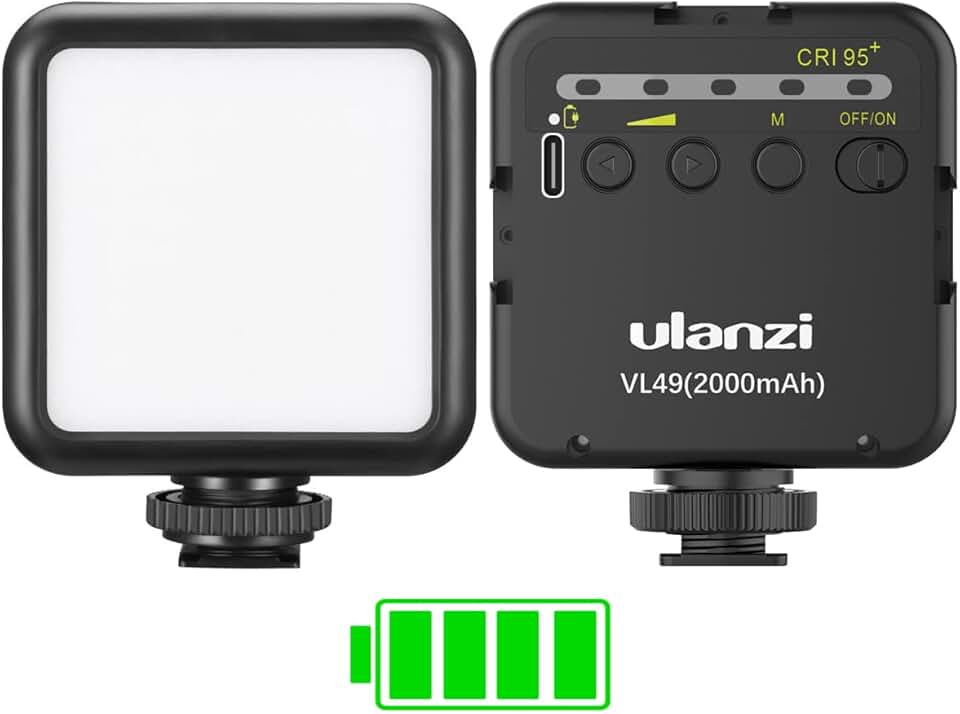
ULANZI VL49 2000mAh LED Video Light w 3 Cold Shoe Mounts Type C Charging Soft Light Panel for DJI OSMO 3 Pocket Xtra Muse Zhiyun Smooth 4 Sony RX100 VII Canon G7X Mark III A6400 6600 for Action ClimatePartner certified

SmallRig Half Cage for Canon R5, R5 C & R6 - Camera Cage with Cable Clamp - 3656

NEEWER a6700 L Plate Compatible with Sony Alpha 6700, Quick Switch Aluminum Extendable Side Plate & Anti Twist Baseplate Compatible with Arca Swiss QR System DJI RS 2 RSC 2 RS 3 Pro Gimbals, CA048

SanDisk 64GB Extreme PRO SDXC UHS-I Memory Card - C10, U3, V30, 4K UHD, SD Card - SDSDXXU-064G-GN4IN
