Understanding Septic Systems | Ask This Old House

About
No channel description available.
Latest Posts
No results found. Try different keywords.
Video Description
In this video, This Old House plumbing and heating expert Richard Trethewey teaches host Kevin O’Connor everything he needs to know about septic systems, how they work, and how to maintain them. SUBSCRIBE to This Old House: http://bit.ly/SubscribeThisOldHouse. Host Kevin O'Connor and plumbing and heating expert Richard Trethewey meet at the shop to talk about septic systems. Richard explains how septic systems work, what they look like inside, and what homeowners can do if their septic begins to fail. Septic Systems are Contained Units A septic system consists of piping running from the home’s drain system to a sealed tank, and then out to a series of pipes called leach pipes. As waste is flushed down the drain, it travels down the waste pipe to the tank where it separates, breaks down, and eventually ends up back into the soil. There are Two Chambers Septic tanks are typically very large, with over 1000 gallons of volume, and they’re made from concrete or fiberglass. Inside those tanks are two chambers divided by a half-wall. As waste comes down the drain pipes and lands in the tank, solid waste falls into the first chamber, while liquid waste continues over the wall and into the liquid chamber. From there, the liquid flows out into the leach fields through the leach pipes. The First Chamber is Where Solids Break Down Solids that travel down the drain pipe land in the first chamber and break down. The septic tank is an anaerobic chamber filled with beneficial bacteria and enzymes, and these bacteria and enzymes get to work breaking down the solid waste and turning it into liquid. Once it turns to liquid, other solids will displace it and allow it to flow over the half wall into the liquid chamber. The Second Chamber is for Liquids Liquids land in the first chamber and then overflow into the second chamber. Here, bacteria and enzymes break down any additional waste that may exist, but once the liquid reaches the height of the drain inside the tank, it overflows out into the leach pipes, dispersing into a leach field. Earth is the Last Filter After the wastes are broken down and flow out to the leach field, it then drains into the sand and soil where it will continue to be filtered until it heads back into the water table. This is the reason why properties require perk tests, as the wrong type of soil will not allow the waste to drain properly. Certain Items Don’t Belong in Septic Systems Septic systems are great at breaking down waste, but some items don’t belong. For instance, sanitary products, baby wipes, grease, dental floss, and other items that are flushed down drains can disrupt the harmony in a septic system. For the most part, these items float over the top of the other waste in a layer known as a “scum layer.” However, if these items make their way to the leach pipes, they can quickly clog the system and prevent it from draining properly. Also, certain solutions like paint and other chemicals can actually kill the beneficial bacteria and enzymes inside the tank. This will prevent the breakdown of waste, and result in a backup, requiring the homeowner to call and have the system pumped out and restored. Looking for more step by step guidance on how to complete projects around the house? Join This Old House Insider to stream over 1,000 episodes commercial-free: https://bit.ly/2GPiYbH Plus, download our FREE app for full-episode streaming to your connected TV, phone or tablet: https://www.thisoldhouse.com/pages/streaming-app About Ask This Old House TV: From the makers of This Old House, America’s first and most trusted home improvement show, Ask This Old House answers the steady stream of home improvement questions asked by viewers across the United States. Covering topics from landscaping to electrical to HVAC and plumbing to painting and more. Ask This Old House features the experts from This Old House, including general contractor Tom Silva, plumbing and heating expert Richard Trethewey, landscape contractor Jenn Nawada, master carpenter Norm Abram, and host Kevin O’Connor. ASK This Old House helps you protect and preserve your greatest investment—your home. Follow This Old House: Facebook: http://bit.ly/ThisOldHouseFB Twitter: http://bit.ly/ThisOldHouseTwitter Pinterest: http://bit.ly/ThisOldHousePinterest Instagram: http://bit.ly/ThisOldHouseIG Understanding Septic Systems | Ask This Old House https://www.youtube.com/user/thisoldhouse/
You May Also Like














Upgrade Your Bathroom Today
AI-recommended products based on this video

Waterdrop CoreRO Countertop Reverse Osmosis Water Filter, Instant Hot Water Dispenser, 5 Temperature Options, NSF/ANSI 372 Certified, Portable Pure Water Pitcher, 3:1 Pure to Drain, 6 Stage, WD-C1H
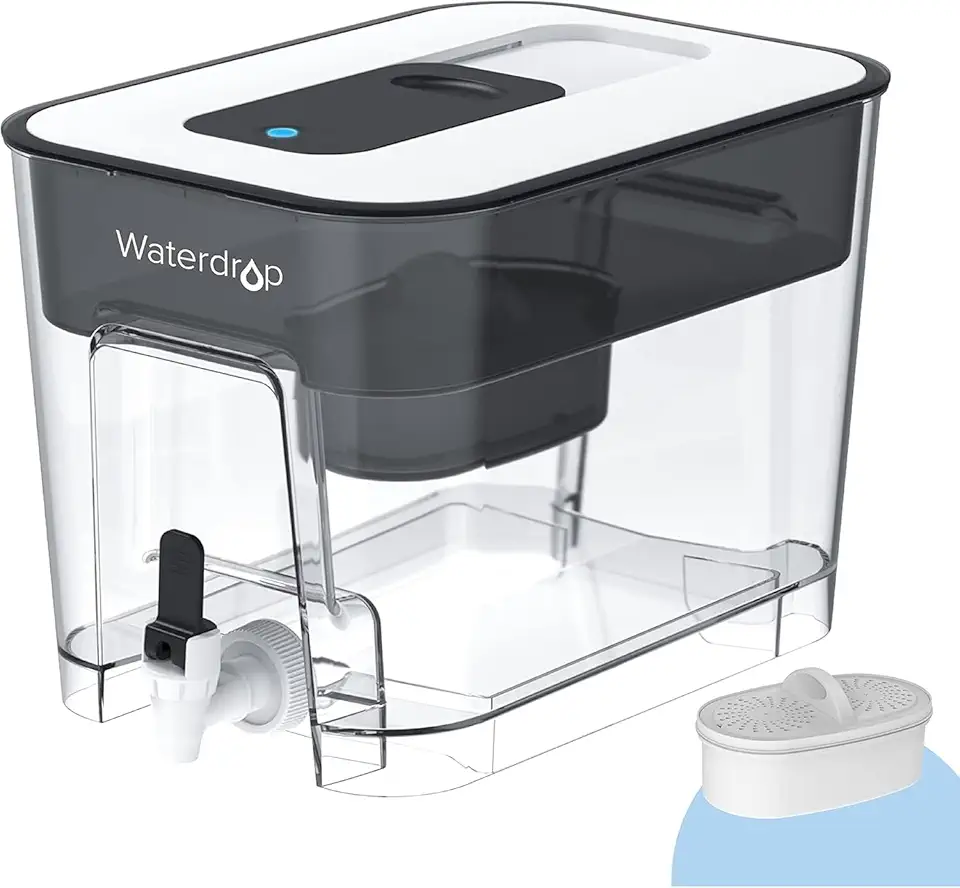
Waterdrop 200-Gallon Long-Life 40-Cup Large Water Filter Dispenser with 1 Filter, Healthy Gift for Home and Office, 5X Times Lifetime, Reduces Chlorine, PFOA/PFOS and More, BPA Free, Black

【Instant Hot】 Waterdrop K19-H Countertop Reverse Osmosis System, 6 Stage Reverse Osmosis Water Filter Countertop, 4 Temperature Options Water Dispenser, 3:1 Pure to Drain, No Installation