What the 20th-century US auto industry can teach us about AI and good jobs


MIT Stone Center on Inequality & Shaping Work
@mitshapingworkAbout
The James M. and Cathleen D. Stone Center on Inequality and Shaping the Future of Work at MIT analyzes the forces that contribute to growing income and wealth inequality through the erosion of job quality and labor market opportunities for workers without a college degree. We identify innovative ways to move the economy onto a more equitable trajectory by carrying out cutting-edge research, developing curricula, and convening students, scholars, policymakers, and practitioners.



Video Description
Nobel Prize-winning economist Simon Johnson explains what lessons the 20th-century US auto industry can teach us about achieving pro-worker AI. The US auto industry became substantially more productive in the early 20th century, with the introduction of the assembly line and electricity in factories. But despite widespread automation, it wasn't all bad news for workers. The growing industry also created many new expert tasks for humans, which led to increased employment in the sector overall, and trade unions successfully fought to secure higher wages for workers in line with the productivity gains. Could the private sector today use a similar strategy to implement pro-worker AI? Simon Johnson is the Ronald A. Kurtz (1954) Professor of Entrepreneurship at the MIT Sloan School of Management and Co-Director of the MIT Shaping the Future of Work Initiative.






Revitalize Your Learning: AI & Tech Must-Haves
AI-recommended products based on this video

10.1 Inch Touch Portable Monitor IPS Screen 1366x768P 60Hz 400 Brightness 99% sRGB HDMI USB-C Monitors Switch for Xbox PS3/4/5 Laptop Compatible with Raspberry Pi, Mini Touch Screen
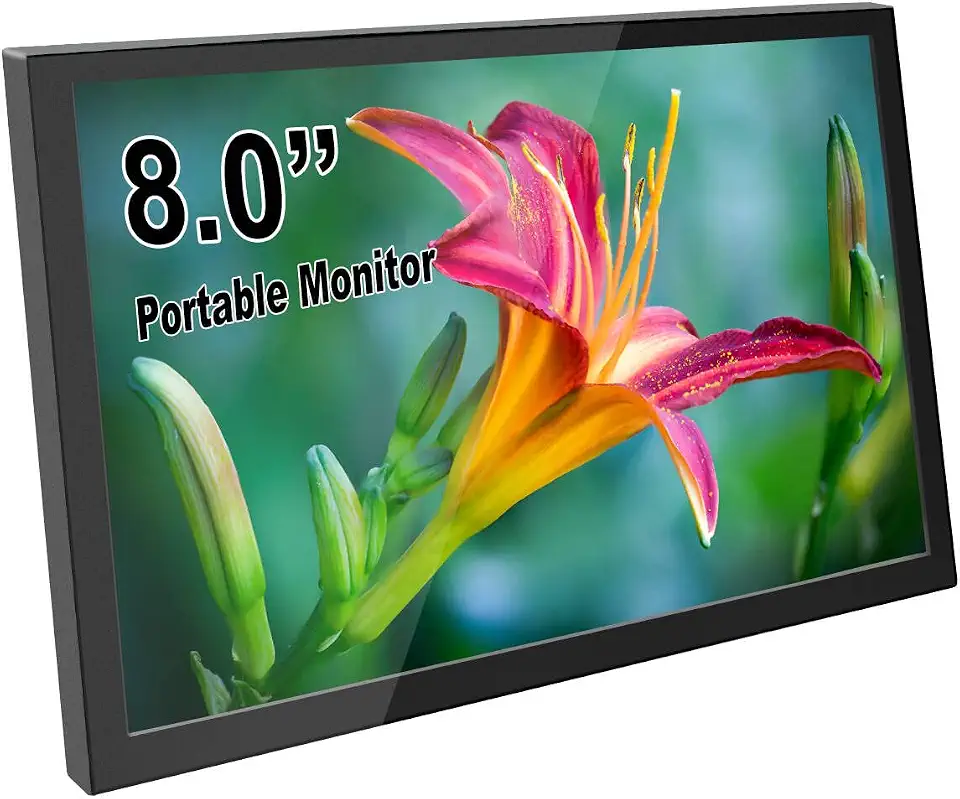
ELECROW 8 Inch Portable Monitor, 1280x800 Mini HD Display with Built-in Speakers, USB Powered, Non-Touch LCD Screen for Raspberry Pi, PC, Laptop, Jetson Nano, Game Consoles

7 Inch Portable Monitor Touchscreen HD 1024x600 LED Display Dual HDMI Port Small Monitor for PC Raspberry Pi Laptop Computer Xbox PS4/5 Switch Built-in Speakers

BrosTrend 1800Mbps WiFi 6 Linux WiFi Adapter for PC and Raspberry Pi 2+, Long Range USB WiFi Dongle Linux for Ubuntu, Mint, Debian, Kubuntu, Lubuntu, Zorin, Windows 11/10, Dual Band Wireless Antenna

Freenove Ultimate Starter Kit for BBC micro bit (V2 Included), 316-Page Detailed Tutorial, 225 Items, 44 Projects, Blocks and Python Code
