When 64 Japanese Planes Attacked One P-40 — This Pilot's Solution Left Everyone Speechless


WW2 Records
@wwii-recordsAbout
📖 WW2 Records — Forgotten Stories from World War II We tell dramatic stories about World War II, exploring innovations, tactics, and moments of courage. From forgotten heroes to turning points that shaped the war — we bring history to life. We focus on the human side of war — sacrifice, ingenuity, and bravery under impossible odds. The stories that deserve to be remembered but rarely get told. Our mission: honor the memory of those who served and keep their stories alive. New videos regularly. Join us on this journey through history. Subscribe and tap 🔔 for daily WW2 narratives. ⭐️
Video Description
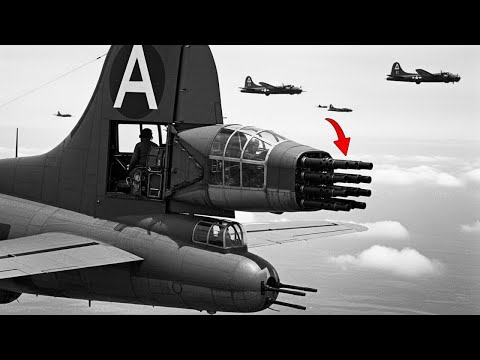
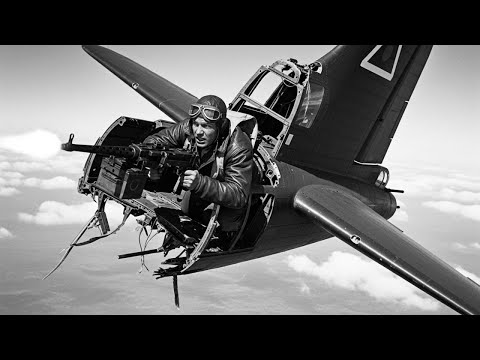
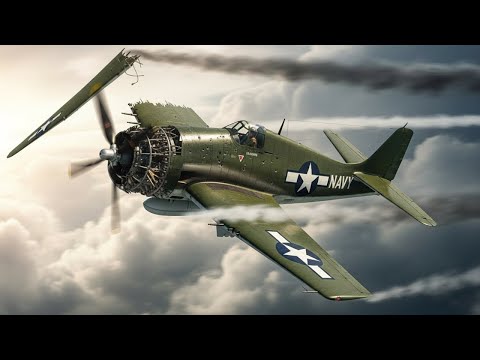
Why one P-40 pilot refused to bail out with damaged controls during WW2 — and saved his base from 64 Japanese aircraft. This World War 2 story reveals how understanding aerodynamics under combat stress changed everything. December 13, 1943. Second Lieutenant Philip Adair, 89th Fighter Squadron, was the only pilot airborne over Assam, India when 64 Japanese aircraft appeared. Twenty-four Ki-21 Sally bombers escorted by 40 Ki-43 Oscar fighters, heading straight for Dinjan airfield. Adair attacked alone. His P-40N Warhawk "Lulu Belle" took 16 hits. Control cables severed. Right aileron jammed. The nose dropped into an uncontrollable dive at 2,000 feet. Every training manual said damaged controls meant immediate bailout. His instructors at Luke Field called attempting to fly with broken controls "suicide." They were all wrong. What Philip Adair discovered that morning wasn't about following procedures. It was about understanding how damaged aircraft behave in ways that contradicted everything his instructors taught. His solution during that 43-mile flight to Nagaghuli defied every standard flying regulation. Ground crews watched his approach and nearly opened fire, thinking a Japanese pilot had stolen an American fighter. What Adair did had never been attempted before and was never repeated. This technique was never officially documented. Adair's split-second understanding of aerodynamics under combat stress saved Dinjan airfield, 14 C-47 transports, and enabled the Hump airlift to continue. He flew 139 combat missions, achieved ace status, and retired as a Colonel in 1971. 🔔 Subscribe for more untold WW2 stories: https://www.youtube.com/@WWII-Records 👍 Like this video if you learned something new 💬 Comment below: What other WW2 tactics should we cover? #worldwar2 #ww2history #ww2 #wwii #ww2records






Military Aviation Collectibles Now
AI-recommended products based on this video

Budget Binder Book Set- 17.6cm X 23.5cm Portable 100 Envelope Challenge Binder| Multifunctional Savings Challenges Book Set| Envelope Challenge Binder Set for Saving Accessories and Persoon

Nail Art Pens Set 12 Colors Nail Art Markers, Nail Polish Pens Drawing Painting Pen for Home Salon,Quickly Dry Nail Art Nail DIY Decoration for Adult Kids 12 gel colors (1 Set)

12 Colors Nail Art Pens Set, Nail Art Markers Polish Pen for 3D Nail Art, Drawing Painting Liner Brush for DIY Nail Art Beauty Adorn Manicure Tools (12Pcs)
