How to Find Brilliant Moves in Chess – Kotov’s Secret Method


Chess Wisdom
@chesswisdomAbout
On my channel you will find an in-depth analysis of my favorite classic chess games. Classic games are much more instructive than the modern ones, as it is much easier to follow the strategic plans and their gradual implementation. Modern top-level grandmasters make much less mistakes than their predecessors, know everything about their opponent’s strategic plans and typical tactics and prevent these plans from being implemented, while the lower-rated viewers have no clue about these plans, as all these strategic and tactical ideas stay behind the scenes. Thus, chess classics is essential for anyone who wants to get a deep understanding of positional chess, strategy, tactics, develop intuitive thinking and recognize typical strategic and tactical patterns. Classic games are a treasure house of the deepest chess wisdom and by studying them you will also develop a better understanding of the modern high-level chess.
Latest Posts




Video Description
In his book “Think Like a Grandmaster,” Alexander Kotov gives very useful practical advice on how to develop the ability to find brilliant moves in chess. These moves aren’t on the surface, they are hidden, so whenever a position contains combinational possibilities, you should look for the most unusual moves. Practice this approach, and your play will gradually become more creative and imaginative. In this video, we’ll analyze a game Kotov uses as an example — a game full of brilliant moves. Support the Channel: https://www.patreon.com/c/ChessWisdom Kotov vs Keres, Budapest Candidates 1950 1. c4 Nf6 2. d4 e6 3. Nc3 Bb4 4. a3 Bxc3+ 5. bxc3 Nc6 6. f3 b6 7. e4 Ba6 8. e5 Ng8 9. Nh3 Na5 10. Qa4 Ne7 11. Bd3 O-O 12. Bg5 h6 13. Bh4 d5 14. Bb1 g5 15. Qc2 Ng6 16. Nf4 gxh4 17. Nxg6 Re8 18. Nh8 Re7 19. Qh7+ Kf8 20. f4 Nxc4 21. f5 exf5 22. O-O Bc8 23. Bxf5 Bxf5 24. Rxf5 Ke8 25. Rxf7 Kd7 26. Qf5+ Kc6 27. Qf6+ Kd7 28. e6+ Kc6 29. Rxe7 Qxh8 30. Rxc7+ Kb5 31. Qe7 a5 32. Qd7+ Ka6 33. Rb1 1-0
You May Also Like










Elevate Your Chess Game
AI-recommended products based on this video

Table Top Magnet Game Toy Magnetic Stone Board Chess Game Toy for Family Christmas Party Portable Magnet Stone Board Party Supplies
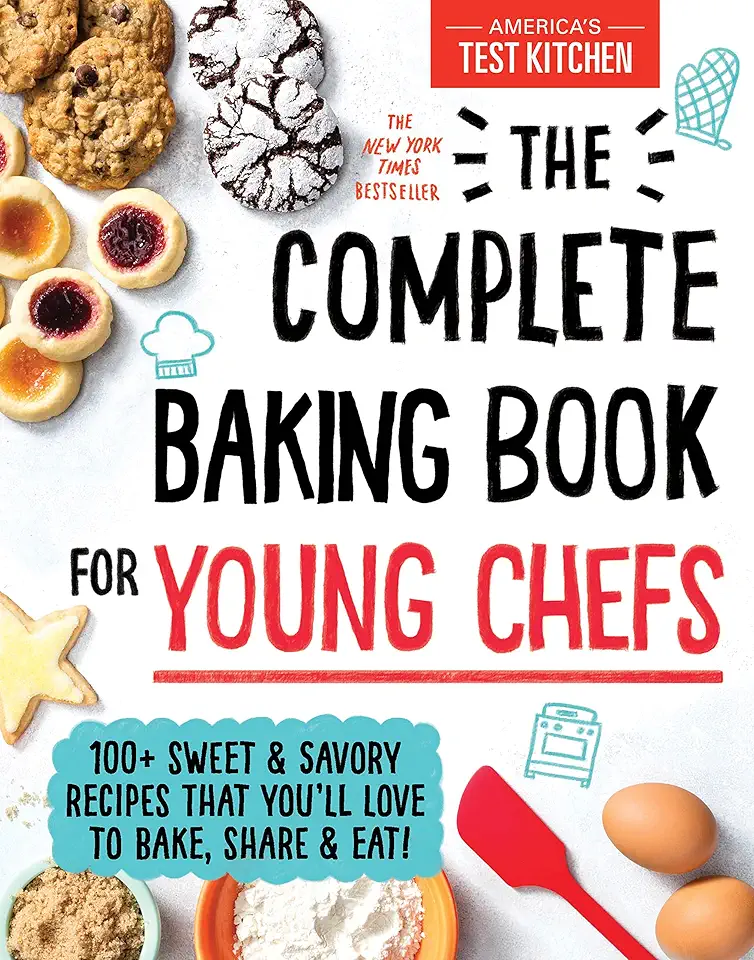
The Complete Baking Book for Young Chefs: 100+ Sweet and Savory Recipes that You'll Love to Bake, Share and Eat!