10 Signs You're Struggling With Brainrot (What To Do)

Psych2Go
View ChannelAbout
Welcome to Psych2Go! We are a grassroot organization with the mission of making psychology, mental health, and self-discovery accessible, relatable, and a little less lonely. The founder initially a psychology student, found that psychology is super useful, but unfortunately wasn't accessible to the public like it is today. Through collaborative effort, him and a bunch of animators, students, made bite-sized, animated videos, to explore topics like anxiety, depression, trauma healing, relationships, emotional intelligence, self-love, communication skills, ADHD, autism, introversion, and more. Our iconic sprout mascot represents growth, resilience, and the hope that—with the right care—we can all thrive. Why subscribe? Because Psych2Go isn’t just a channel. It’s a global mental wellness community, where everyone can feel seen. Let’s grow together, one mind at a time. 🌱✨ For Collaborations & Partnerships: 📩 [email protected] 🎨 Animator & Artist Opportunities: [email protected]
Latest Posts



Video Description
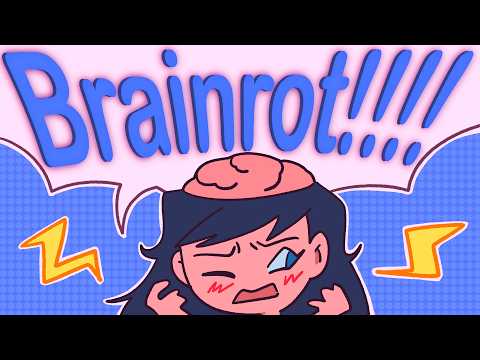
Ever feel like your brain just isn’t working the way it used to? Like your attention span is shrinking, your thoughts feel foggy, and everything online is just... noise? That might be brainrot—a term used to describe mental exhaustion, information overload, and the struggle to focus in today’s digital world. The goal of this video is to help you identify the signs of brainrot and understand what’s causing it, so you can take steps to regain focus, clarity, and control over your mind. If you’ve been feeling scattered, unmotivated, or constantly glued to screens, this might be exactly what you need. Let’s get your brain back on track! This video is made possible by Betterhelp, an affordable online counseling platform. Use the link below to help support psych2go: http://betterhelp.com/Psych2Go http://betterhelp.com/Psych2Go Writer: Dylan Swanepoel Editor: Isadora Ho & Kelly Soong Script Manager: Kelly Soong Voice Over: Amanda Silvera - www.youtube.com/AmandaSillvera Animator: Suu YouTube Manager: Cindy Cheong Special thanks to dubbing team: Hindi: Reema Jyotiba Vatsalya References: Gray matter abnormalities in Internet addiction: A voxel-based morphometry study Zhou, Yan et al. European Journal of Radiology, Volume 79, Issue 1, 92 - 95 Dunckley , V. (2014, February 27). Gray matters: Too much screen time damages the brain. Psychology Today. https://www.psychologytoday.com/intl/blog/mental-wealth/201402/gray-matters-too-much-screen-time-damages-the-brain Fiorella, L. (2020). The science of habit and its implications for student learning and well-being. Educational Psychology Review, 32(3), 603-625. Adams-Price, C. E., Nadorff, D. K., Morse, L. W., Davis, K. T., & Stearns, M. A. (2018). The creative benefits scale: Connecting generativity to life satisfaction. The International Journal of Aging and Human Development, 86(3), 242-265. Liddle, J., Parkinson, L., & Sibbritt, D. (2014). Health-related factors associated with participation in creative hobbies by Australian women aged in their eighties. Arts & Health, 6(2), 132-142. Bu, F., Steptoe, A., Mak, H. W., & Fancourt, D. (2021). Time use and mental health in UK adults during an 11-week COVID-19 lockdown: a panel analysis. The British Journal of Psychiatry, 219(4), 551-556.
You May Also Like

















No Recommendations Found
No products were found for the selected channel.