TCP vs UDP - Explaining Facts and Debunking Myths - TCP Masterclass


Practical Networking
@practicalnetworkingAbout
If you’ve been in the Network Engineering career field for any small amount of time, then you’ve probably been frustrated at how difficult it was to find articles and videos that were reliable, thorough, and understandable. You found articles that were very entry level, that perhaps gave simple definitions but did not communicate enough to explain how technologies actually worked. You found articles that were overly detailed, that went into so much minutia that the original point would be lost. The intent of the blog and video channel is to bridge that gap — providing the happy, practical medium between overly simplistic and overly detailed. PracNet teaches in a manner that is accessible, easy to learn, and easy to pass on. By presenting complex technology simply, PracNet provides practical, immediately applicable, knowledge of the Network Engineering industry.
Latest Posts


Video Description
TCP and UDP are the predominate Layer 4 protocols that have been used since the dawn of the Internet. In this video, we discuss TCP and UDP without getting bogged down with jargon or incomplete definitions. We compare TCP and UDP across 4 dimensions: - Connection Oriented vs Not Connection Oriented - Reliable vs Unreliable (although, I don't like the term "unreliable" here) - Flow Control vs No Flow Control - More Overhead vs Less Overhead Then we discuss and dispel four Myths about TCP and UDP: - UDP is Faster - TCP is More Secure - UDP is Unreliable - TCP is Guaranteed Delivery A note about the myths: As I mention in the video, a lot of what makes these "myths" is how you interpret the words -- in the end, it could all come down to syntax. This video is a teaching tool, I mean to teach you (the viewer) about TCP and UDP, and if this video can lead you to understand how some interpretations of "UDP is Faster" is correct, and some interpretations of "UDP is Faster" is incorrect, then I will consider my goal a success. Correct Interpretations of "UDP is Faster": UDP has a higher maximum potential bandwidth, UDP has less overhead, UDP has less serialization delay, UDP has less inspection delay Incorrect Interpretations of "UDP is Faster": UDP packets move faster than TCP packets, UDP *always* has faster throughput, UDP has no latency 00:00 - Intro 00:40 - Pre-Requisites - OSI Model Layer 4 01:15 - Agenda for this video 01:33 - Connection Oriented vs Not Connection Oriented 03:52 - TCP is Reliable -- but what does that mean? 04:07 - Confirmation of Data Delivery 04:45 - Application is Aware of Errors 05:41 - Data Ordering and Sequence Numbers 07:55 - Notice I didn't say UDP is not reliable 08:08 - Flow Control & Bandwidth Utilization 10:30 - TCP has More Overhead, UDP has Less Overhead 11:56 - UDP Header, 4 fields, 8 bytes 12:21 - TCP Header, 11 fields, 20-60 bytes 13:27 - Dispelling Myths about TCP and UDP 13:53 - UDP is Faster ... Not Exactly -- Myth 1 14:47 - TCP is more Secure ... WRONG -- Myth 2 15:48 - UDP is Unreliable ... NOPE -- Myth 3 16:52 - TCP is Guaranteed Delivery ... Well, not really =/ -- Myth 4 17:55 - There is so much more to discuss with TCP 19:30 - Summary #tcp #networking #internet Transmission Control Protocol, User Datagram Protocol, === Networking Fundamentals - Module 1 === Lesson 1 - Network Devices Part 1: https://youtu.be/bj-Yfakjllc Part 2: https://youtu.be/H7-NR3Q3BeI Lesson 2 - OSI Model Part 1: https://youtu.be/LkolbURrtTs Part 2: https://youtu.be/0aGqGKrRE0g Lesson 3 - Everything Hosts to do speak on the Internet Part 1: https://youtu.be/gYN2qN11-wE Part 2: https://youtu.be/JI9Zm2tbUoE Lesson 4 - Everything Switches do to facilitate communication Part 1: https://youtu.be/AhOU2eOpmX0 Part 2: https://youtu.be/G7GyWjJtjNs Lesson 5 - Everything Routers do to facilitate communication Part 1: https://youtu.be/AzXys5kxpAM Part 2: https://youtu.be/Ep-x_6kggKA Part 3: https://youtu.be/zmxLg4jV0ts Lesson 6 - Networking Protocols - https://youtu.be/E5bSumTAHZE - ARP, FTP, SMTP, HTTP, SSL, TLS, HTTPS, DNS, DHCP - Four items MUST be configured for Internet Connectivity Lesson 7 - How Data moves through the Internet - https://youtu.be/YJGGYKAV4pA - Interview question: What happens when you type "site.com" into a web browser? ==== 🖧 Full Networking Fundamentals series (Module 1 - all FREE): https://www.youtube.com/playlist?list=PLIFyRwBY_4bRLmKfP1KnZA6rZbRHtxmXi 📜 Studying for your CCNA? https://www.practicalnetworking.net/index/ccna/ 🧮 Want to learn Subnetting? https://SubnetIPv4.com 🔐 Want to learn about SSL, TLS, and Cryptography? https://www.youtube.com/playlist?list=PLIFyRwBY_4bTwRX__Zn4-letrtpSj1mzY 📖 Other Courses: https://classes.pracnet.net/ 💬 Discord: https://discord.com/invite/yrexngJ If you enjoyed this content, then please tell one other person about this series. Sharing this video is the best way you can thank me and return the favor for this free content. Plus, you can get free Internet Points (karma, likes, retweets, etc) by simply sharing this content across social media communities. =) Thank you. ---




Master TCP/IP with These Essentials
AI-recommended products based on this video
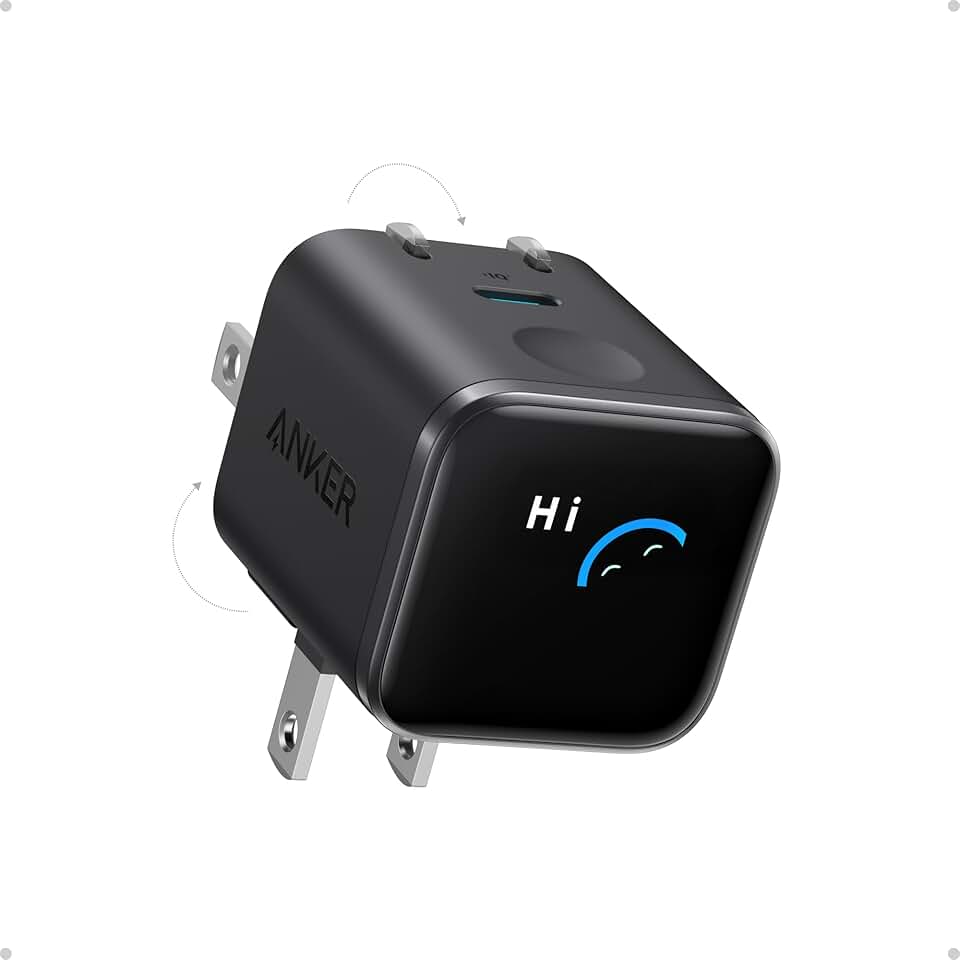
Anker Nano USB C Wall Charger,45W Fast Charging Smart Display Charger,with 180°Foldable Plug,Smart Recognition,Built-in Care Mode,for iPhone17/16/15 (Non-Battery,One USB-C Port,No Cable Included) ClimatePartner certified

soundcore P31i by Anker, Real-Time Adaptive Noise Cancelling, Hi-Res Sound, Translation Earbuds, 50H Playtime, Wireless Earbuds, Bluetooth Earphones, Spatial Audio, Fast Charging, IP55 ClimatePartner certified
