The Science Of Cardboard


New Mind
@newmindAbout
For most of us, our average day is an experience unlike any other in human history. The world we interact with and engage with is a culmination of millennia of curiosity, probing and discovery. The story of how we got here, the layers of seeking and exploration; that are too often displaced as a triviality of life, is a massive part of the human story. New Mind is a celebration of that journey; the telling of slivers of that human story. Each composition is a careful telling of a slice of our technological world, exploring not just the “how it works” but the evolution of the why – the series of historical events that made it this way.
Latest Posts


Video Description
▶ Visit brilliant.org/NewMind to get started learning STEM for free, and the first 200 people will get 20% off their annual premium subscription In 2020, the United States hit a record high in its yearly use of one the most ubiquitous manufactured materials on earth, cardboard. As of 2020, just under 97% of all expended corrugated packaging is recovered for recycling, making this inexpensive, durable, material an extraordinary recycling success story. THE RISE OF PAPER PACKAGING This processed pulp is then used to produce paper. Paper making machines use a moving woven mesh to create a continuous paper web that aligns the fibers held in the pulp, producing a continuously moving wet mat of fiber. The invention of several paper-based packaging forms and processes stemmed from this boom, with the corrugated fiberboard shipping container quickly becoming the most dominant. INVENTION OF CORRUGATION The first known widespread use of corrugated paper was in the 1850s with an English patent being issued in 1856 to Edward Charles Healey and Edward Ellis Allen. Three years later, Oliver Long would patent an improvement on Jone’s design with the addition of an adhered single paper facing to prevent the unfolding of the corrugation, forming the basis for modern corrugated fiberboard. American Robert Gair, a Brooklyn printer and paper-bag maker, had discovered that by cutting and creasing cardboard in one operation he could make prefabricated cartons. In a partnership with the Thompson and Norris company, the concept would be applied to double-faced corrugated stock, giving rise to the production of the first corrugated fiberboard boxes. In 1903, the first use of corrugated fiberboard boxes for rail transport occurred when the Kellog brothers secured an exception to the wooden box requirement by railroads of the Central Freight Association. HOW ITS MADE Rolls of paper stock are first mounted onto unwinding stands and are pulled into the machine at the feeding side of the corrugator, also known as the "wet end". The paper medium is heated to around 176-193 degrees C , so it can be formed into a fluted pattern at the corrugating rolls. The corrugating rolls are gear-like cylinders that are designed to shape the paper medium into a fluted structure as it moves through them. As the newly formed fluted paper leaves these rolls, an adhesive is applied to the flute tips and the first liner is roller pressed on. The paper stock that forms this liner is often pre-treated with steam and heat before this binding process. The adhesives used in modern corrugated fiberboard are typically water-based, food-grade, corn starches combined with additives. A second liner is applied by adding adhesive to the fluted tips on the other side of the paper medium. After curing, the sheets may be coated with molten wax to create a water-resistant barrier if the packaging is expected to be exposed to excessive amounts of moisture, such as with produce or frozen food products. PAPER SOURCE While the first packaging papers relied on the chemical based Kraft pulping process, modern production relies primarily on mechanical pulping, due to its lower cost and higher yield. When a production run of corrugated fiberboard is done, a target set of specifications based on customer requirements, determine both the quality control and physical properties of the fiberboard. BOXES Corrugated sheets are run through a splitter-scoring machine that scores and trims the corrugated stock into sheets known as box blanks. Within the flexographic machine, the final packaging product is created. Flexographic machines employ both printing dies and rotary die-cutters on a flexible sheet that are fitted to large rollers. Additionally, a machine known as a curtain coater is also utilized to apply a coat of wax for moisture-resistant packaging. RECYCLING The slurry is sent through an industrial magnet to remove metal contaminants. Chemicals are also applied to decolorize the mixture of inks within the slurry. Because the paper produced by purely recycled material will have a dull finish and poor wear characteristics, virgin pulp is typically blended into the slurry to improve its quality. This blended pulp is then directly used to produce new paper. Recycling paper based packaging is so effective that only 75% of the energy used to produce virgin paper packaging is needed to make new cardboard from recycled stock. Aside from diverting waste material from landfills, it requires both 50% less electricity and 90% less water to produce. KEY FOOTAGE Georgia-Pacific Corrugated Boxes: How It’s Made Step By Step Process | Georgia-Pacific https://youtu.be/C5nNUPNvWAw SUPPORT NEW MIND ON PATREON https://www.patreon.com/newmind
You May Also Like









Unleash Your Cardboard Creativity
AI-recommended products based on this video

3 4 5 Year Old Girl Gifts, Exssary Kids Knife Set for Real Cooking Toys for 3 4 5 6-8 Year Old Girls Montessori Toddler Kitchen Tools Cutting Board Knives Birthday Gift Girls Toys Age 4-6 7-10 Pink

BBQ Rib Skinner, Rib Prep Pro, Professional Boning Tongs Boning Knife Set for Perfect Ribs, Ergonomic Handle Precise Cutting, Ultimate Grilling Gift for BBQ Enthusiasts & Grill Masters

Multifunctional 6-in-1 Fork and Spoon Corkscrew Combination/Outdoor Camping Fork/Spoon/Table Knife Military Package for Hiking, Survival and Camping (1 Set)

Decorate Your Own Water Bottle Craft Kit for Girls 5-12 Years Old - Unicorn Toys, Arts and Crafts Gift ideas for kids Birthday, Christmas
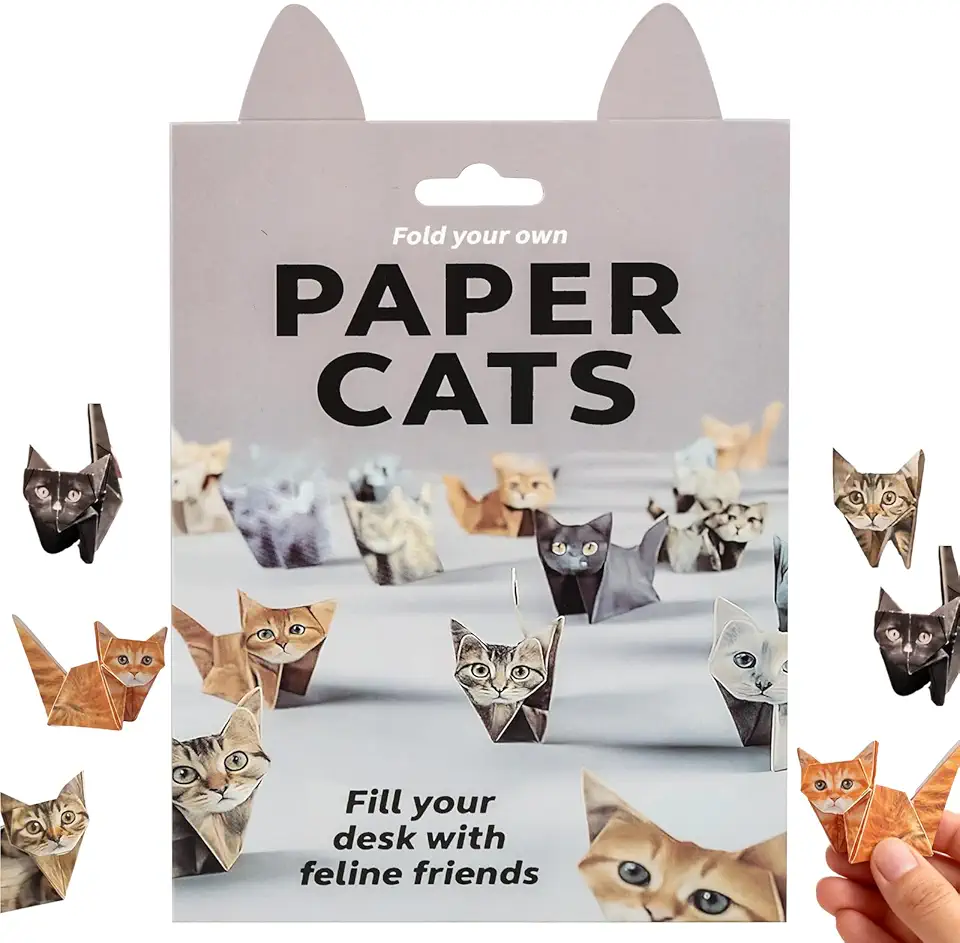
Paper Cats Origami Kit, 50pcs DIY 3D Origami Animal Kit for Create Adorable Paper Cats, Creative Craft Activity for Cat Lovers, Fun Home Desk Decor, Christmas Birthday Gift(Cat)

DIY Wall Collage Kit for Teen & Tween Girls - Perfect Craft Gift Ideas for 10, 11, 12,13, 14, 15 Year Old Girl - Trendy Birthday Gifts and Stuff for Teenage Bedroom - Fun Teens Crafts Kits Age 8+

LEGO Icons Leonardo da Vinci's Flying Machine DIY Kit - Ornithopter Building Set for Adults, Ages 18+ - Craft for Home or Office Decor with Display Stand - Gift Idea - 10363
