What Loneliness Really Does to Your Brain


Dr. Tracey Marks
@drtraceymarksAbout
I'm Dr. Tracey Marks, a psychiatrist with 20+ years of experience. I empower you to take control of your mental health by understanding the mind-brain connection and how it is key to building resilience. Learn how lifestyle factors, mental practices, and emotional regulation influence your brain to cultivate resilience. I explain the neuroscience behind these practices, showing you how to optimize your brain for a fulfilling life. Find playlists on depression, anxiety, bipolar disorder, and more! Save them to your library to stay updated. Disclaimer: All information provided on this channel is for educational purposes only and is not intended to be a substitute for professional medical advice. If you have concerns about your mental health, please consult with a qualified healthcare professional. These videos can be a helpful resource to prepare for discussions with your clinician. Follow me on social media Facebook: Tracey Marks, MD Instagram: drtraceymarks



Video Description
✨ UNLOCK YOUR BRAIN'S FULL POTENTIAL! My free 2-minute quiz reveals your unique "Brain Operating System" and gives you a personalized guide to master your focus, handle stress, and perform at your best. Take the Quiz → https://drmarks.co/BrainQuiz-yt Loneliness doesn’t just affect emotions—it rewires the brain. This video explores how isolation activates stress circuits, increases inflammation, disrupts sleep, and accelerates cognitive decline. Learn practical, science-backed strategies to break the loneliness loop and rebuild healthy connections that strengthen resilience. Timestamps 0:00 Why loneliness feels painful 1:03 Your brain on loneliness 2:25 The “loneliness loop” explained 3:22 The physical toll of isolation 4:07 How loneliness disrupts sleep and focus 4:37 Loneliness and cognitive decline 4:55 The hopeful part: working with your wiring 5:14 Why quality beats quantity in relationships 6:33 Introverts vs. extroverts in connection 6:47 Start small: weak ties and casual interactions 7:20 Using environmental anchors 7:46 Structured activities and shared goals 8:08 How giving support builds resilience 8:32 Overcoming “social rust” 9:07 Online connections as a bridge 9:33 Others’ insecurities vs. your anxious brain 9:59 Technology: bridge or barrier? 10:55 Your one-step action plan 11:34 Building resilience through connection 11:52 Looking ahead: empathy and perspective-taking Disclaimer: All of the information on this channel is for educational purposes and not intended to be specific/personal medical advice from me to you. Watching the videos or getting answers to comments/question, does not establish a doctor-patient relationship. If you have your own doctor, perhaps these videos can help prepare you for your discussion with your doctor.









Combat Loneliness Today
AI-recommended products based on this video

Cozy Cuties: Coloring Book for Adults and Kids

Cozy Corner: Coloring Book for Adults and Kids

Girl Moments: Coloring Book for Adults and Teens Featuring Cute Cozy Daily Activities for Relaxation
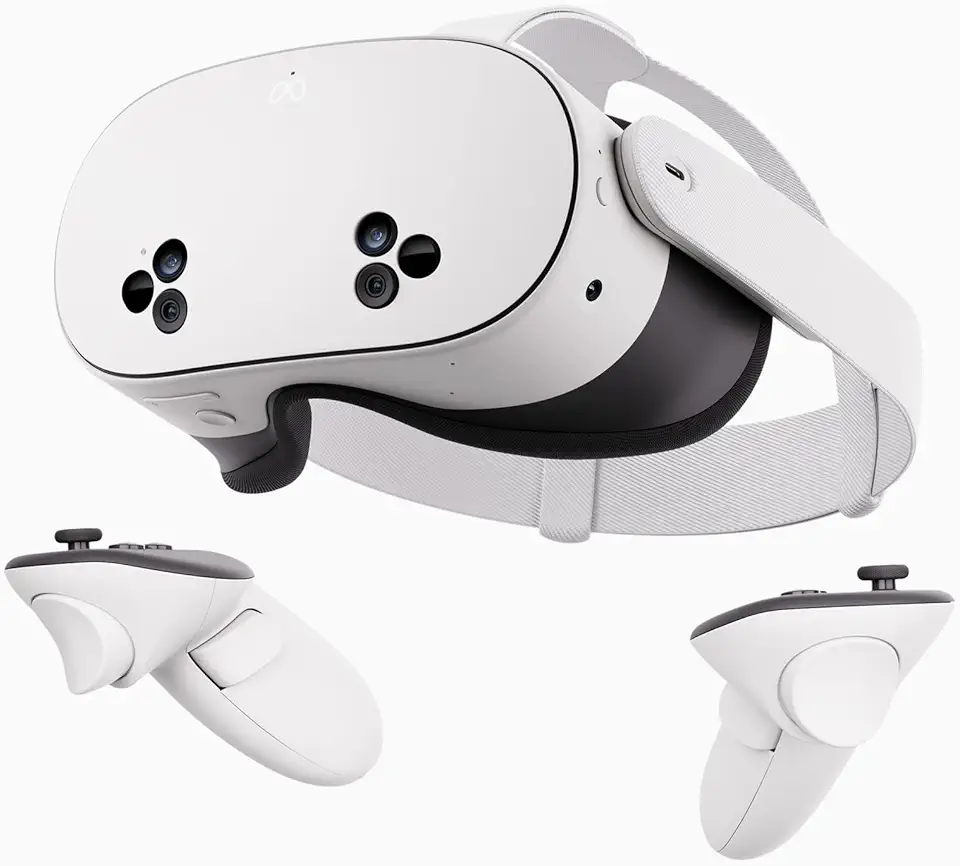
Meta Quest 3S 128GB | VR Headset — Thirty-Three Percent More Memory — 2X Graphical Processing Power — Virtual Reality Without Wires — Access to 40+ Games with a 3-Month Trial of Meta Horizon+ Included

AYATAHA 4G Smart Watch for Kids, Smartwatch with Phone Call, Video, Camera, MP3, SOS, Music, Learn Card, and Puzzle Games, Gift for Boys and Girls for Ages 4-12
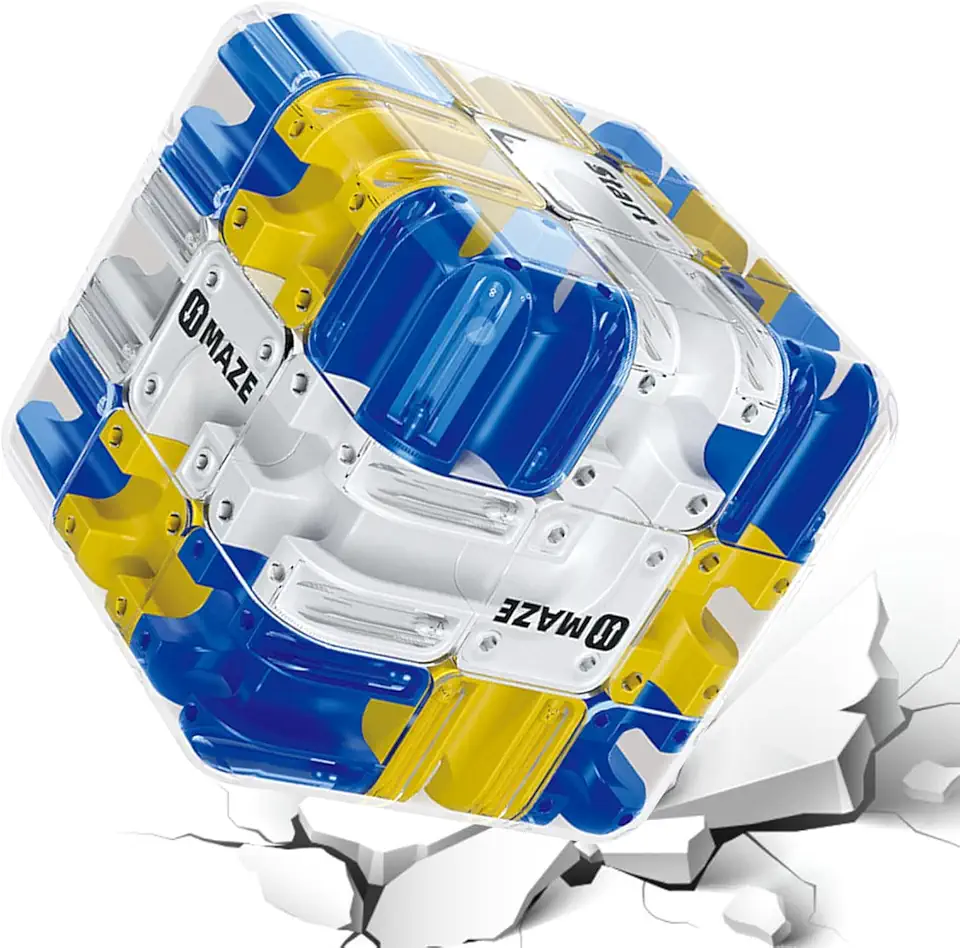
3D Rolling Ball Maze Cube, Maze Ball, Roller Balls Education Toy, Puzzle M-aze Cube, Roller Balls Mind Teaser for Classroom Party Birthday School Travel Waiting Room Family Gathering

zicor Kids Smart Watch Gift with Dual Camera, Puzzle Games, Pedometer, Music Player, Video Recorder, Parental Control, Alarm Clock, HD Touch Screen, Toy Smart Watch for Boys and Girls Age 4-12 (Pink)

BBQ Rib Skinner, Rib Prep Pro, Professional Boning Tongs Boning Knife Set for Perfect Ribs, Ergonomic Handle Precise Cutting, Ultimate Grilling Gift for BBQ Enthusiasts & Grill Masters
