What Made Fighting Germans So HARD for US Soldiers in WWII?


The Dictator Lab
@thedictatorlabAbout
Step inside The Dictator Lab, where we dissect the minds, motives, and myths behind history’s most infamous leaders. From Hitler’s inner circle to Stalin’s paranoia, we analyze untold stories, secret documents, and chilling psychology that shaped the 20th century’s darkest regimes. 🔍 Research-based. Emotionally gripping. Ethically grounded. Subscribe for new investigations every week into the minds that changed — and destroyed — the world.
Latest Posts



Video Description
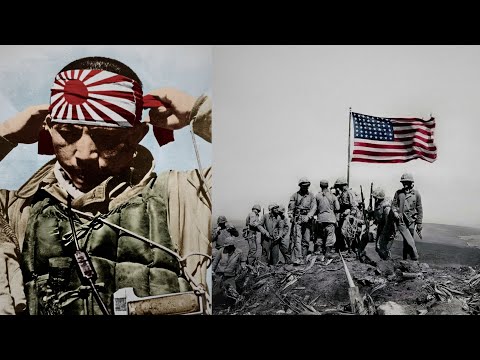
December 16th, 1944. Over 400,000 German soldiers launch a surprise attack through the Ardennes Forest, shattering American lines in what would become the Battle of the Bulge. But here's what shocked American commanders: Germany was clearly losing the war, outnumbered and outgunned on every front. So how did they keep winning individual battles? American veterans who fought in WWII, Korea, and Vietnam all said the same thing: the Germans were the hardest enemy they ever fought. Not the most fanatical. Not the most brutal. But the most professionally dangerous. In this video, we break down exactly why German soldiers were so effective, even in defeat. From Hitler Youth training starting at age 10, to the revolutionary Auftragstaktik doctrine that the U.S. military later adopted, to combat-hardened Eastern Front veterans who knew how to fight when everything goes wrong. 🎯 CHAPTERS: 00:00 The Battle of the Bulge Mystery 01:55 The Training Advantage 07:03 The Eastern Front Crucible 10:40 Weapons and Myths 13:14 The Logistics Paradox 14:35 The Human Cost 16:09 Why the Allies Won 📊 KEY TOPICS COVERED: - Hitler Youth military training from age 10 - Auftragstaktik (Mission Tactics) vs. Orders-Based Command - Eastern Front combat experience - Battle of Berlin: 81,116 Soviet casualties in 2 weeks - Siege of Ternopol: 99% casualty rate - MG42 "Hitler's Buzzsaw" firepower advantage - Sherman vs. Tiger tank myth DEBUNKED with real data - Trench foot epidemic: 23,000 American casualties - Malmedy Massacre and the Wehrmacht vs. SS distinction - Why the U.S. military adopted German doctrine after the war 🔍 VERIFIED FACTS: All statistics and claims in this video are verified from primary sources including: - U.S. Army Ballistic Research Lab studies (1946) - Declassified Soviet casualty archives - Official U.S. Army medical histories - British after-action reports - German military doctrine manuals This is history backed by data, not myths. 📚 SOURCES & FURTHER READING: If you want to dive deeper into this topic, key research areas include: - Trevor Dupuy's statistical analysis of WWII combat effectiveness - U.S. Army studies on Auftragstaktik and Mission Command doctrine - Archival research on the Battle of Berlin (Krivosheev) - Analysis of the individual replacement system vs. unit cohesion - Comparative studies of Wehrmacht training vs. Allied training methods ⚠️ IMPORTANT CONTEXT: This video analyzes military effectiveness and tactical doctrine. It does not glorify Nazi ideology or war crimes. We make clear distinctions between the professional Wehrmacht soldiers and the criminal SS units responsible for atrocities like the Malmedy Massacre. The goal is to understand why American soldiers found German forces so difficult to fight, and what lessons the U.S. military learned from that experience - lessons that shaped modern American military doctrine. 🎖️ RESPECT TO VETERANS: This video is dedicated to all the American soldiers who fought in Europe. Their bravery, sacrifice, and ultimate victory over Nazi Germany saved the world. Understanding why the fight was so hard doesn't diminish their achievement - it honors it. --- 👍 If you learned something that changed how you see WWII, hit that LIKE button 💬 DROP A COMMENT telling me where you're watching from 🔔 SUBSCRIBE for more myth-busting history content ---
You May Also Like



Essential WWII History Gear
AI-recommended products based on this video

The Face Shop Rice Ceramide Moisturizing Emulsion - Rice Extract - Lightweight Face Moisturizer - Brightening - Hydrating Targets Dryness - Strengthens Skin Barrier - Face Lotion - Korean Skin Care

The Face Shop Rice Ceramide Moisturizing Cream - Rice Extract + Rice Bran Oil - Hydrating Targets Dryness, Brightening - Dermatologically Tested - Lightweight Moisturizer Face Cream - Korean Skin Care