Why cheap, high-RPM engines are GONE—and what drivers have lost
About
No channel description available.
Latest Posts



Video Description
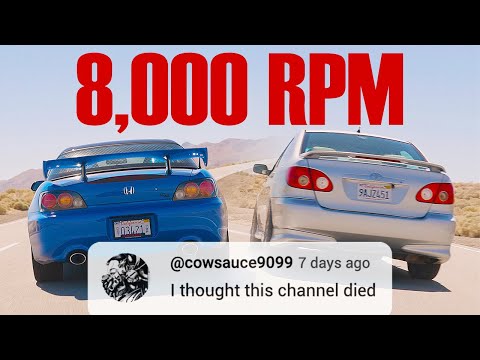
Thanks to BRUNT for sponsoring this video! Get $10 off your first purchase at https://brunt.yt.link/VZQMwrT using code THEDRIVE10. The world is changing fast, and one of the things we’ve left behind is the beauty of a simple, cheap car with a high-revving engine. Let’s take a look at why forced induction took over the automotive industry—and what drivers have lost in the process. It's the second episode of our new series hosted by pro driving coach Nik Romano exploring why cars drive like they do, what's really going on under the metal, and how to be a better driver than your friends. Through the 1980s and 1990s, as automotive engineering rapidly advanced, car companies learned that the secret to getting max power out of smaller four-cylinder engines was to make them spin as fast as possible, with peak power high on the tachometer. Turbochargers were still the finicky domain of race cars and niche performance vehicles, so building a free-breathing engine that could rev to 8,000+ RPM was the key to delivering that power consistently and safely. This decision defined a huge swath of the market for years, especially from Japan. It led to sports car icons like the Honda S2000, which had the best power-to-displacement ratio of any naturally-aspirated engine in production for years. But it also created things like the Toyota Corolla XRS, a dual-nature economy car that could serve both normal commuters and enthusiasts who understood how to wield the incredible engineering that went into an engine capable of 8,200 rpm. In short, high-revving cars like these were the best of both worlds. Controllable and exciting. Predictable and surprising. Tame and vicious. So what happened? Well, the same thing that's steered the industry away from lots of things enthusiasts love—the need for efficiency. Over time, turbochargers and superchargers evolved to a point where they became the easier and cheaper way to widen the power band and make responsive engines that could do what drivers asked all the time, not just at the limit, while burning less fuel. That helped people driving to work, who no longer had to drop three gears and floor it to pass someone on the highway. But like the death of the manual transmission, it removed one of the last big touch points connecting modern cars with their raw, mechanical ancestors. Learn more about Nik's coaching business here → https://www.fastsideways.com/ Produced by → https://www.instagram.com/rassoolracing/ Hosted by → https://www.instagram.com/kylecheromcha/ Hosted by → https://www.instagram.com/nikromanoracing/ Previous episode → https://www.youtube.com/watch?v=vAiXZIVxXIc The Drive is the chronicle of car culture. We write stories you actually want to read. → https://www.thedrive.com/ FOLLOW US! Instagram → https://www.instagram.com/thedrive Facebook → https://www.facebook.com/thedrive TikTok → https://www.tiktok.com/@thedrive_official
You May Also Like












Revive Your Engine Today
AI-recommended products based on this video

Cyperus Rotundus Oil, Natural Cyperus Rotundus Oil For Hair Removal, New upgrade Reduces Unwanted Hair Growth, Hair Removal & Smooth Skin, Suitable For All Skin Types - 60ml/2.02 Fl Oz -new

Aveeno Daily Moisturizing Body Oil Mist with Cocoa Butter Vanilla Scent, Oat Oil, & Jojoba Oil, Lightweight Oil Provides Long Lasting Hydration, Hypoallergenic, 200 mL
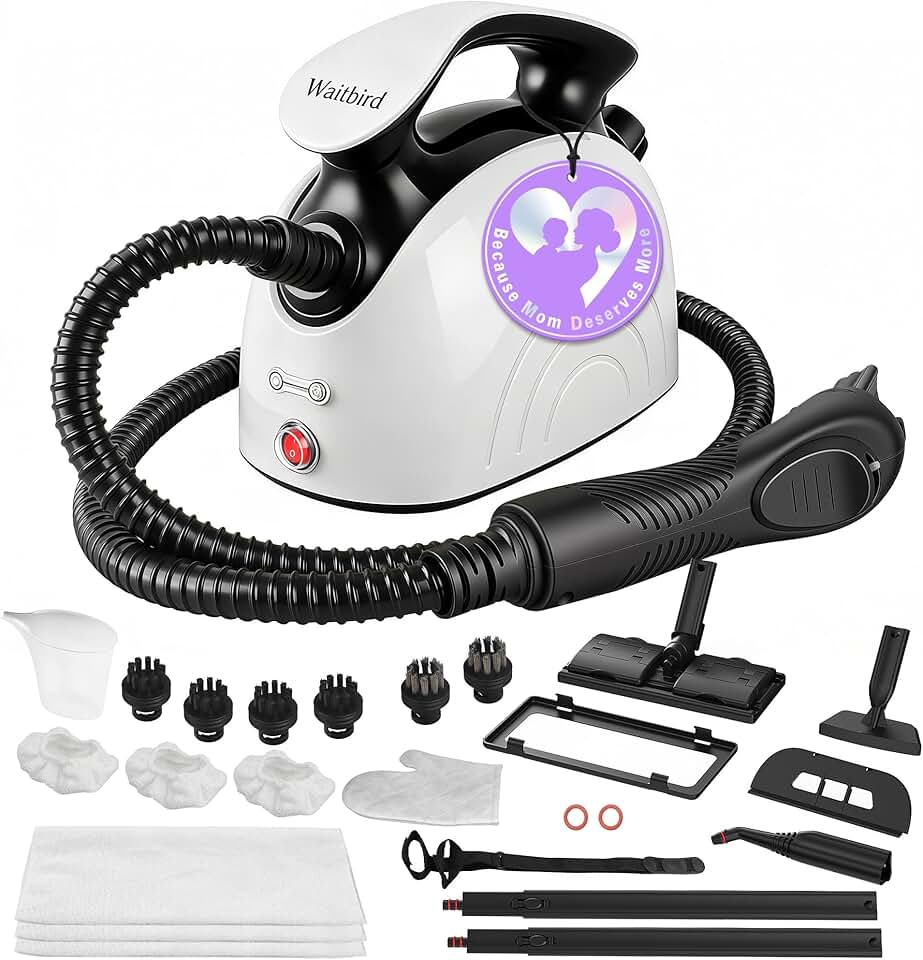
Steam Cleaner,Multi-Purpose Steam Engine with 21 Accessories,248 ° F High-Temperature Steam,Suitable For Floors,Kitchen Oil Stains,Tiles,Carpets,Cars,Toilets
