Why so much modern Chinese vocabulary was made in Japan

About
No channel description available.
Latest Posts



Video Description
A HUGE amount of modern Chinese vocabulary comes from Japan -- come on a little historical journey with me to find out WHY. Join ♣️ The Linguist List ♣️ to get access to perks: https://www.youtube.com/channel/UCWPmflIzM_mpBWGTVMGevxg/join [Timeline] [00:43] The Fall of Qing (Part 1) [01:42] Chinese characters as "building blocks" [02:24] The Fall of Qing (Part 2) [04:16] Wasei-kango (Japanese-coined Chinese Words) [08:34] Chinese words with "new meanings" [09:48] Chinese scholars' attempt at translating [11:37] Wordhood of Wasei-kango? SAY HI! Instagram: http://www.instagram.com/julesytooshoes [References/参考文献] Chung, K. C. (2001). Some Returned Loans: Japanese Loanwords in Taiwan Mandarin. In T.E. McAuley (Ed.), Language Change in East Asia (pp. 161-179). DeFrancis, J. (1977), Colonialism and language policy in Viet Nam, Mouton, ISBN 978-90-279-7643-7. DeFrancis, J. (1984). The Chinese language: Fact and fantasy. University of Hawaii Press. Quote: “Most of the modern scientific, technical, and political vocabulary of Chinese was actually first coined by the Japanese.” Gu, J. P. (2009). ‘The explicit transformation and implicit absorption of Japanese loanwords by Chinese’ 汉语对日语借词的显性改造与隐性吸收, ‘Yangtze River Academic‘ 长江学术, 4: 112-117. Jespersen, O. (1923). Language: Its nature, development and origin. New York: Henry Holt. Norman, J. (1988). Chinese, Cambridge: Cambridge University Press. Yao, Y.X. & Gao C. (2004, December). ‘From traditional "Gezhi" to modern "Science": A perspective on Liang Qichao's concept of "Science"’ 从传统“格致”到现代“科学”:梁启超“科学”观念透视, ‘Science, Technology and Dialectics’ 科学技术与辩证法, 21 (6), 79-82. https://www.sinoss.net/uploadfile/2010/1130/6643.pdf Wang, L.D. (1955). ‘Japanese Loan Words in Modern Chinese’ 现代汉语中从日语借来的词汇. ‘Zhongwen Yuwen’ 中国语文, 2: 90-94.
You May Also Like










Unlock Mandarin Today
AI-recommended products based on this video
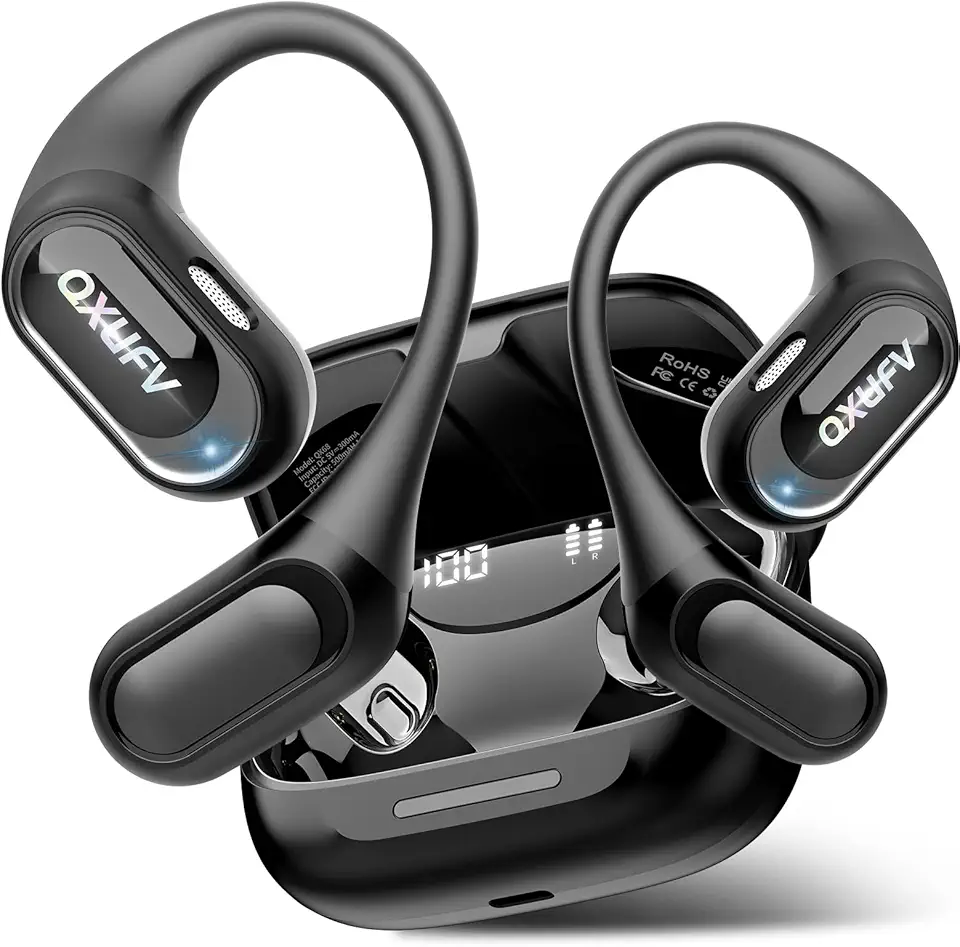
AI Translation Earbuds Real Time with Audio and Video Calls, 164 Language/7 Translation Modes Translator Earbuds Bluetooth 5.4 with APP, 50H Translate Ear Buds Device for Business/Learning/Travel

AI Translation Earbuds Real Time with Audio and Video Calls, 164 Language/7 Translation Modes Translator Earbuds Bluetooth 5.4 with APP, 50H Translate Ear Buds Device for Business/Learning/Travel
