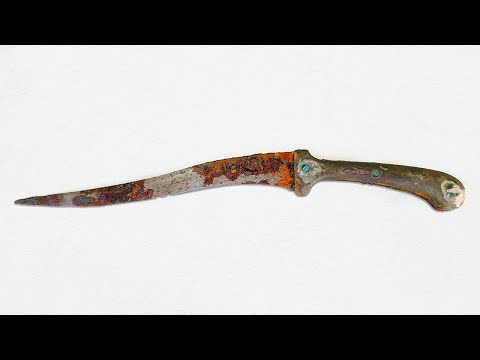
Restoration of Antique Flyssa Dagger


Screws And Tools
@screwsandtoolsAbout
Hello I'm Alex! Thank you for attention and welcome to my channel. Screws and Tools is a channel dedicated to restoring old, antique, vintage, and rusty tools. I cover woodworking, metalworking (including non‑ferrous metals), leatherworking, knife making, and various DIY projects—all produced by me alone. I restore items such as knives, Caucasian daggers, swords, shashkas, sabers, cleavers, axes, and kitchen tools, continually honing my craft. And importantly, I always show my mistakes—because when you watch my videos, you learn not only from what works, but also from what doesn’t. I hope you enjoy my videos—thank you for watching! I truly appreciate every visit to my channel. Don’t forget to subscribe and join me on this restoration journey!
Latest Posts


Video Description
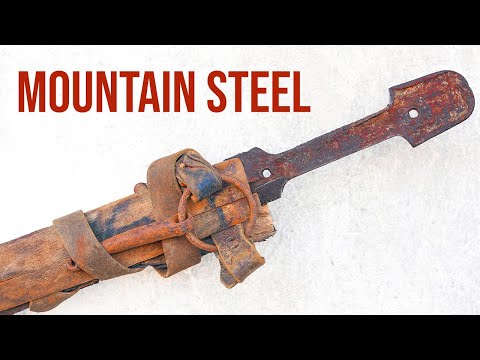
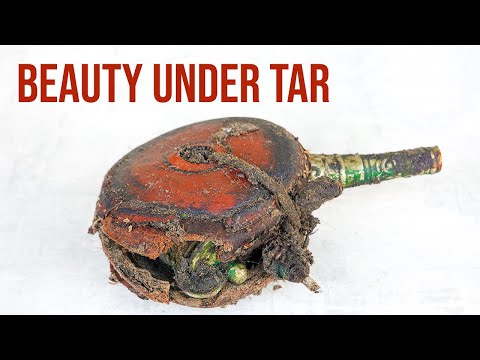
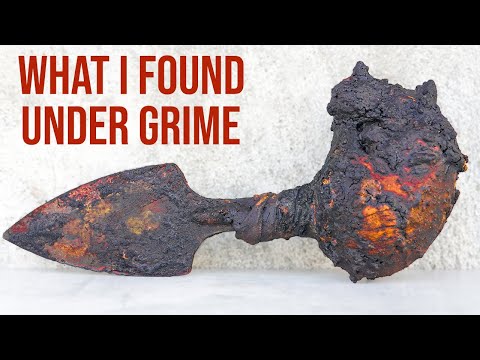
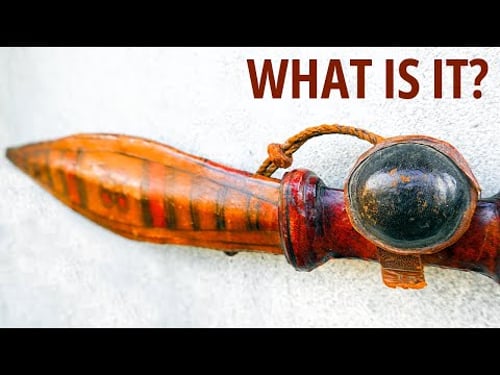
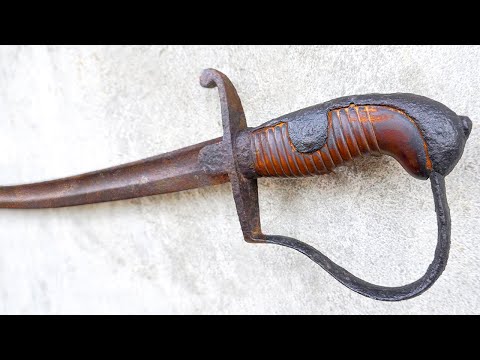
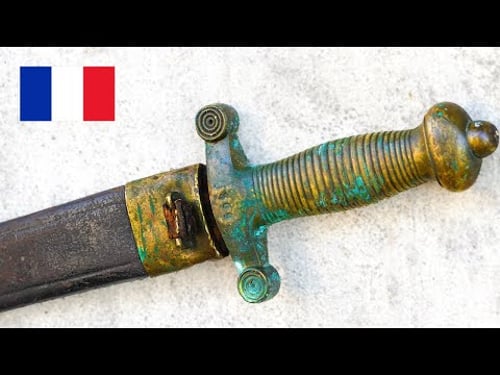
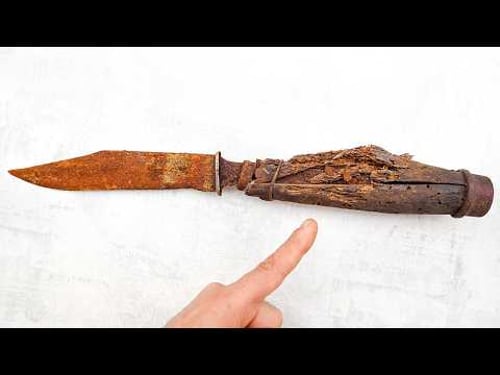
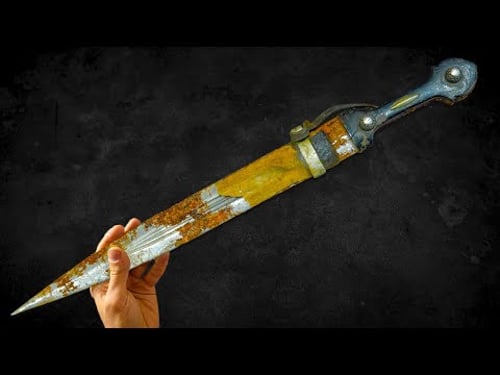
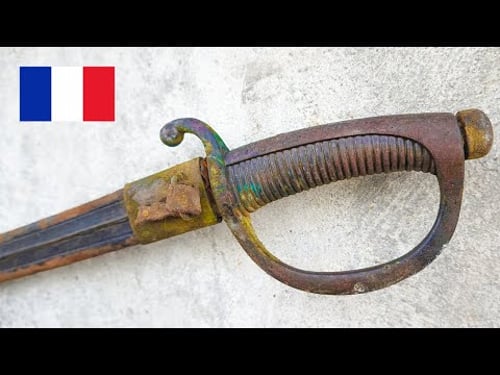
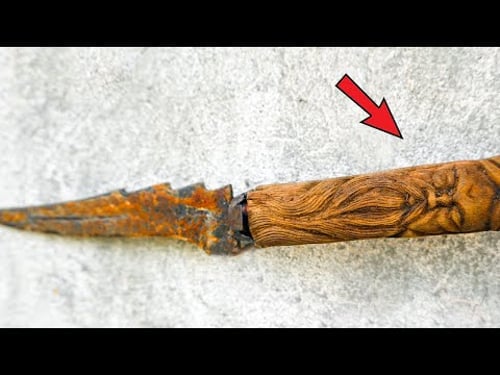
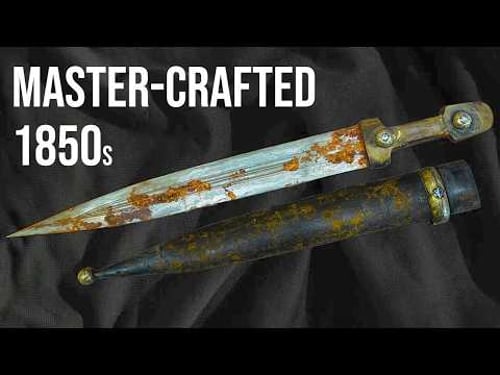
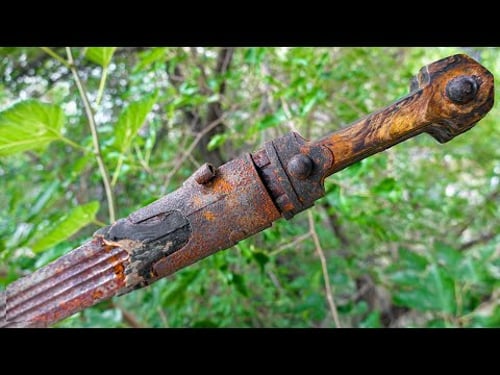
Hi! Today, the restoration of the Algerian Flyssa dagger, which I bought in France, is an interesting and unique item. The hilt is in place, and so is the scabbard. But the seller said that his blade also has an interesting engraving on the blade, but it is rusty. Well, now I'll restore it. The first thing I did was to disassemble the scabbard, they are made of wood and have a beautiful engraving. The staples that held this scabbard made of rotten iron, I threw away. There was an interesting blade inside, not a standard shape, but covered with dirt and rust. First, I started cleaning the blade and the hilt. I didn't try to take it apart, and I don't see the point in that. Because all authenticity of the item will be lost. Therefore, I did not use chemical liquids to clean dirt and rust, but natural cleaning agents and detergents, including brass and steel. I used vinegar, baking soda, citric acid, and lemon juice. I also used polishing paste and kefir. Step by step, I cleaned carefully with a soft sponge and a toothbrush. After a complete cleaning, I coated the surface of the blade and handle with a mixture of oil, beeswax and an additional paste to impregnate the wood. In order to preserve and saturate all the empty spaces that are present in the engraving. The wax is transparent, it is not visible, but at the same time it will preserve the entire surface for many years. I cleaned the sheath of this knife from dirt and rust. With the help of a special wood filler, I plastered the holes. I also used tea and coffee to match the tone of the wood and putty afterward. Once finished, I covered with a matte varnish that preserves the wood with a water-based finish. I made the brackets out of brass for the scabbard and engraved them. After completing all the processes, I also varnished the sheath of this knife. I did a little test, and I hope you enjoyed the restoration. Please don't forget to share this video. Sincerely, Alex. Thanks for attention! Good luck and health to everyone! With best wishes, Alex! Please subscribe to my channel: @ScrewsAndTools 🍖 My New Cooking channel! @screwsandtoolscooking Patreon: https://www.patreon.com/Screwsandtools Paypal: paypal.me/screwsandtools Facebook: https://www.facebook.com/scresandtools/ Instagram: https://www.instagram.com/screwsandtools/ #screwsandtools #dagger #restoration





Revive Your Blade Today
AI-recommended products based on this video

CERAKOTE® Ceramic Headlight Restoration Kit – Guaranteed To Last As Long As You Own Your Vehicle – Brings Headlights back to Like New Condition - 3 Easy Steps - No Power Tools Required

CIVO Womens Watch, Womens Wrist Watches Waterproof Analog Quartz Watch Pink Leather Strap Fashion Simple Elegant Ladies Watches for Women Dress

LN LENQIN Ladies Watches Analog Quartz Watches for Women Waterproof Women's Wrist Watches with Leather Strap

CIVO Womens Watch, Waterproof Womens Wrist Watches Analog Quartz Watch Leather Strap Simple Business Casual Elegant Dress Ladies Watches for Women
